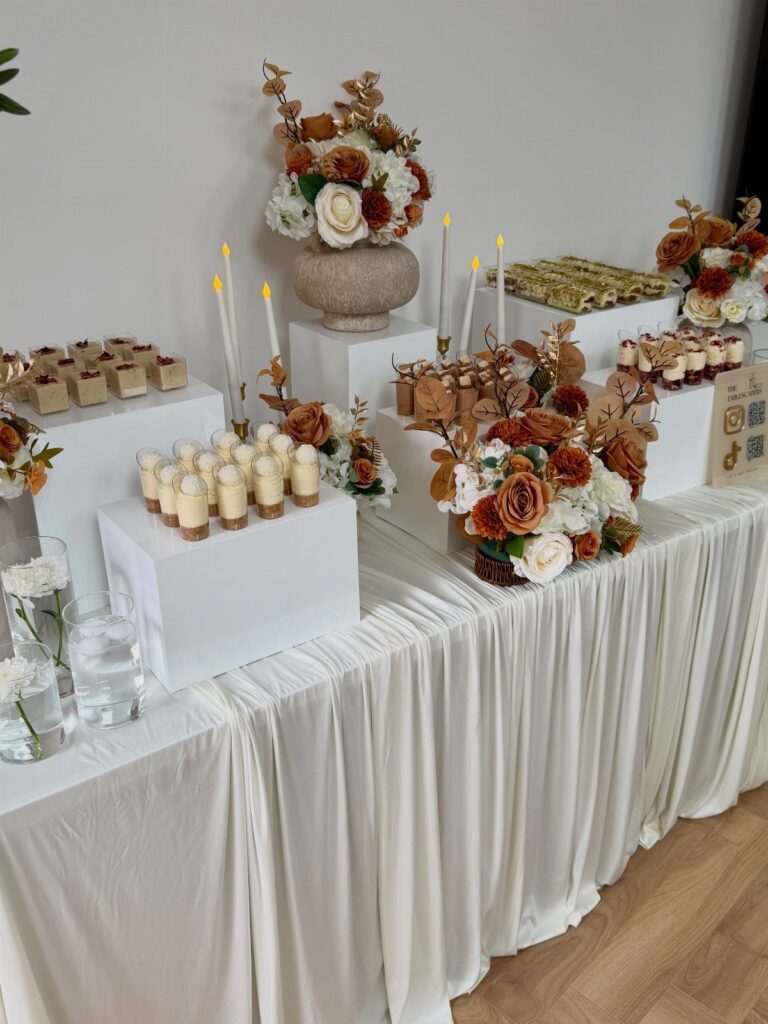
A jar of cookies beside a hot chocolate station and a plated Cornish game hen for every guest are both fall menus, and the gap between them is mostly staffing.
Self-serve ideas like the cider bar, the sangria and the s’mores bar keep labor low, while risotto and plated hens depend on what your caterer and venue can actually handle.
Pick by service style first: plated, family-style, or stations guests run themselves.
1. Appetizers
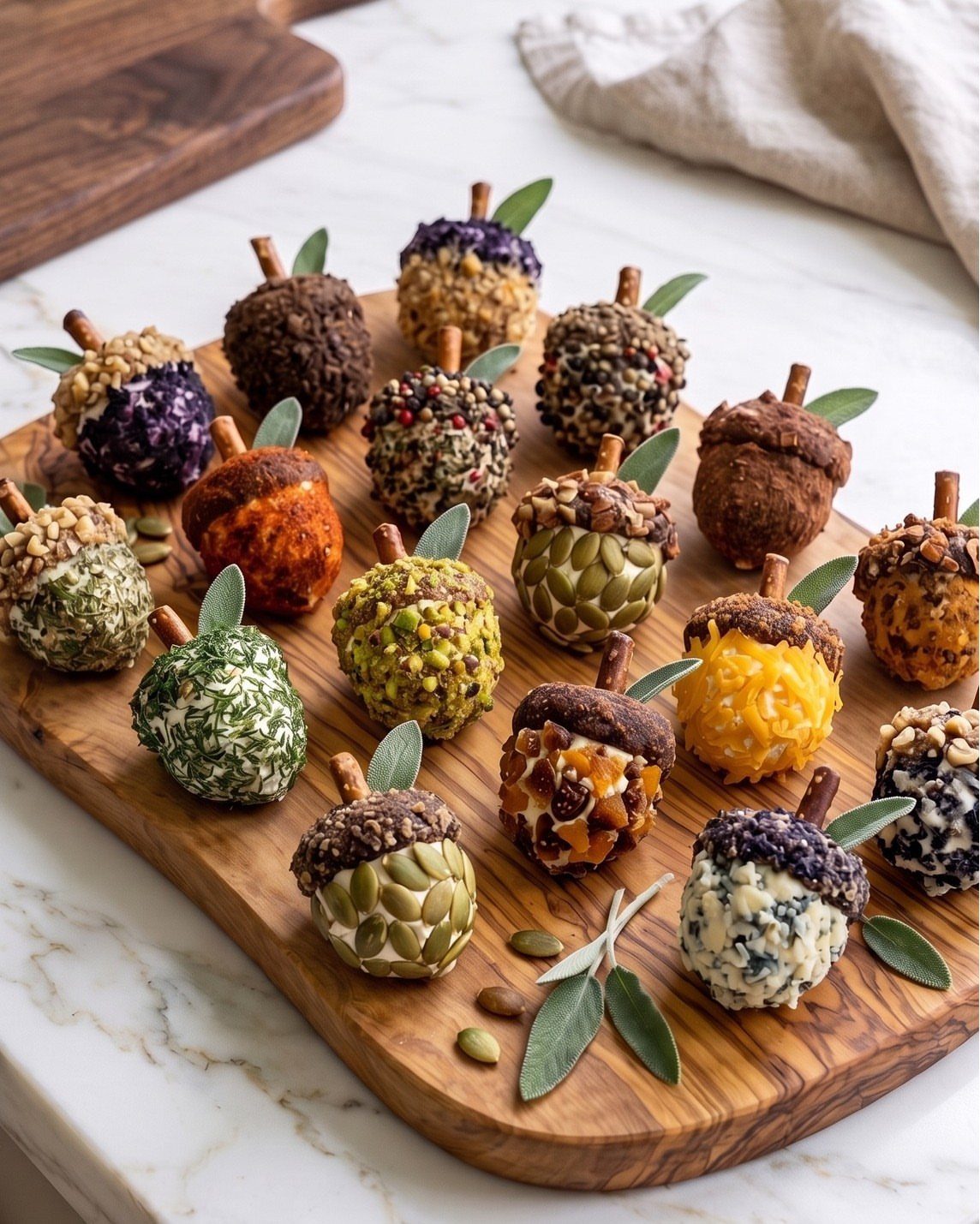
Acorn-shaped cheese balls roll fall into a single bite, and I’d pick them over a plain cheese board for that reason.
The nut and seed coatings give guests a choice of flavors, and the pretzel stems and sage leaves make the board look styled without extra décor.
Cheese is also a forgiving budget item. Rolling the balls yourself or asking a caterer to do it costs far less than a carved display.
2. Roasted Root Vegetables
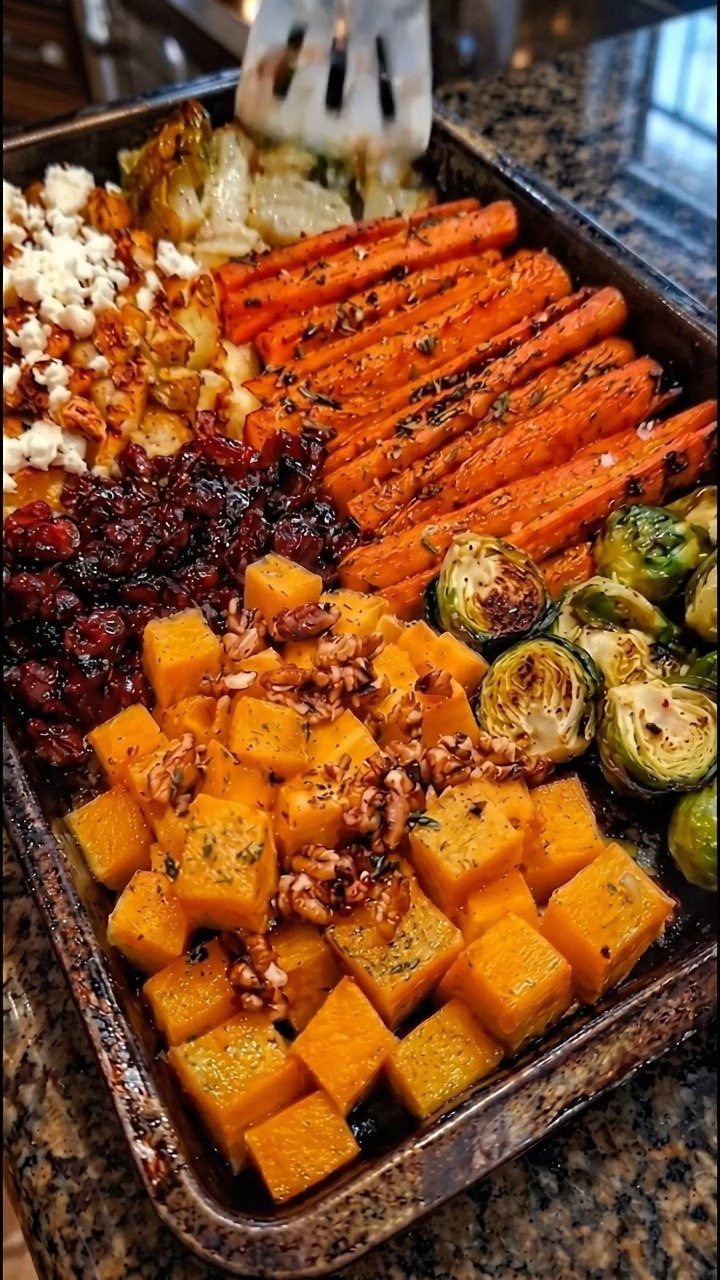
Carrots, butternut squash and Brussels sprouts share one sheet pan, and that is the appeal: a side dish that scales up easily for a crowd.
Dried cranberries scattered over the top add a tart note against the sweetness of the squash.
Roasting also suits a tight budget, since these vegetables are inexpensive in the fall and need little more than oil and seasoning. I’d keep the pieces a similar size so everything finishes together.
3. Hot Chocolate Station
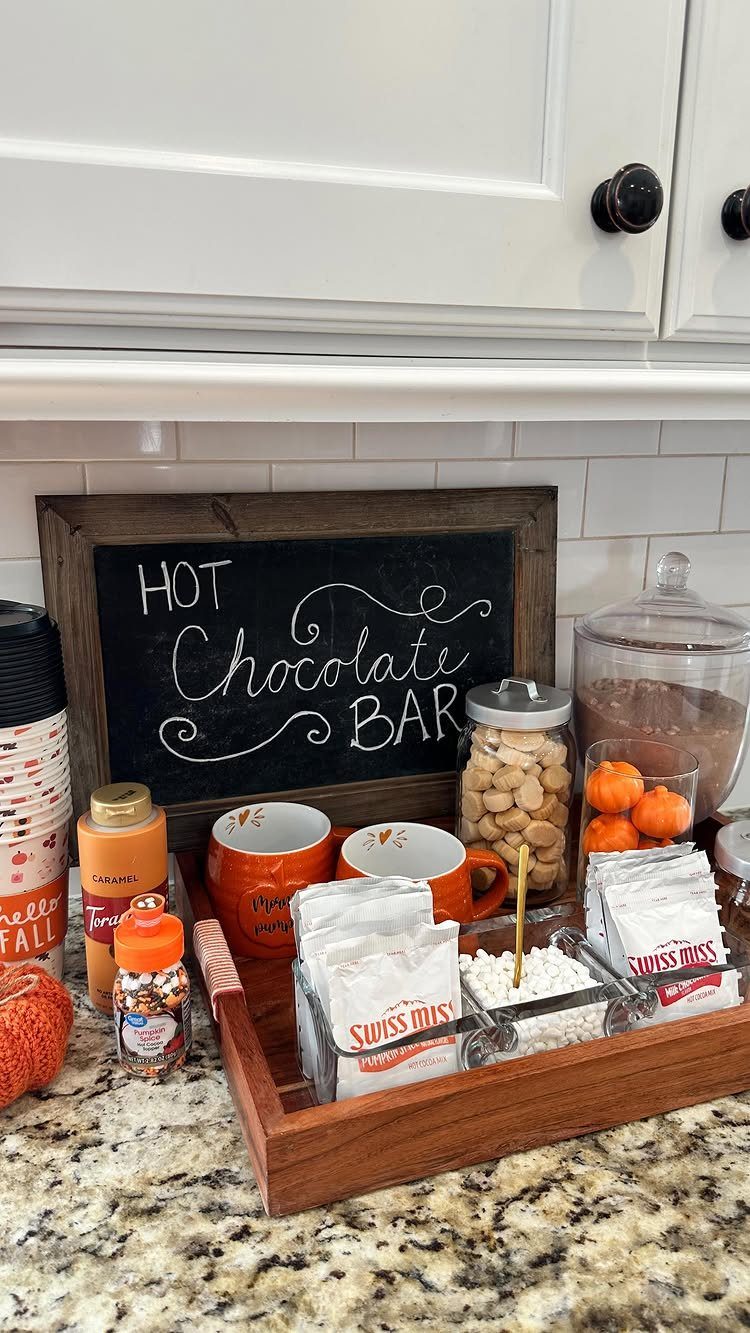
Guests who skip the signature cocktail still want something warm to hold, and a cocoa bar gives them that.
A hot chocolate station costs very little: packets, marshmallows and a jar of cookies on a tray keep the line item small.
Mugs in a single autumn color, like orange, make a cheap setup look planned. A chalkboard sign tells guests what to do without anyone explaining it.
4. Butternut Squash Soup
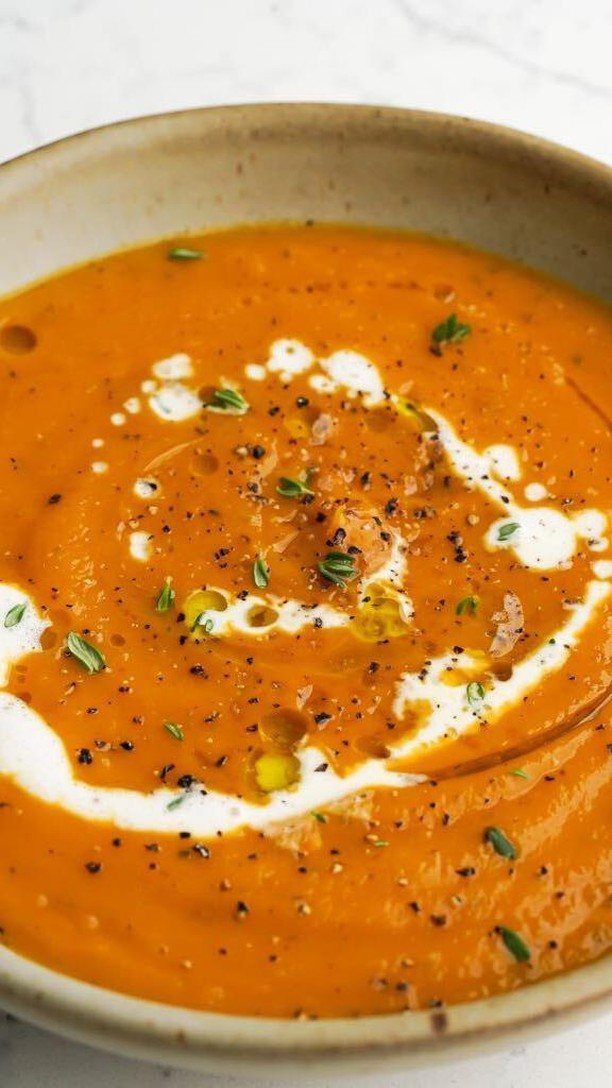
Smooth, orange and warm, butternut squash soup puts the season in a bowl with almost no effort.
I like it as a starter because it can be made ahead and held hot, which eases pressure on the kitchen. Serve it in small bowls or cups so guests keep room for the main course.
5. Cornish Game Hen
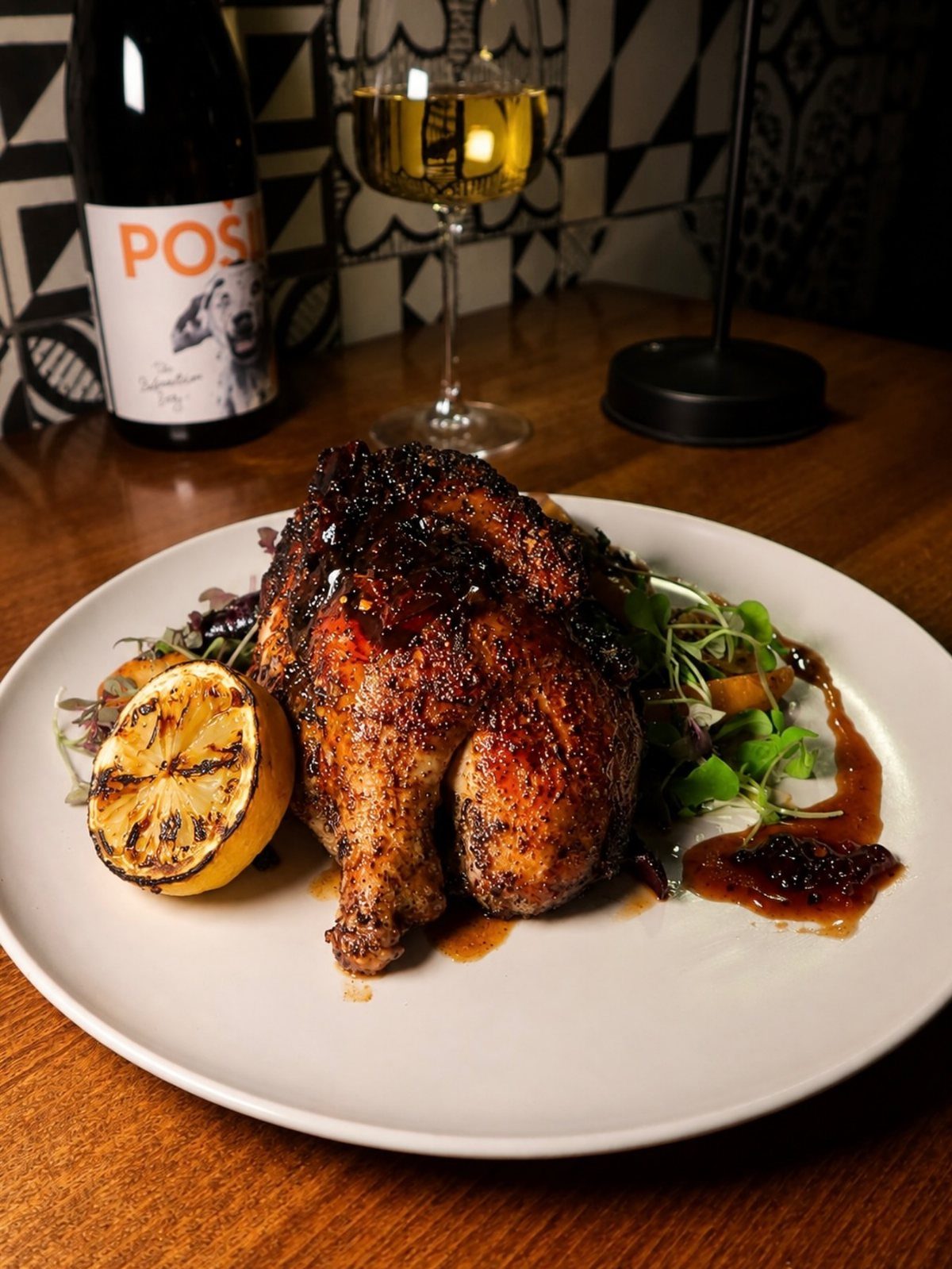
A whole Cornish game hen gives each guest a personal bird, which feels formal without a steakhouse price tag.
I’d choose it for a plated dinner, where the single-serving size is the point. Ask your caterer about per-plate cost against chicken breast before you commit.
6. Cinnamon Whiskey Sour
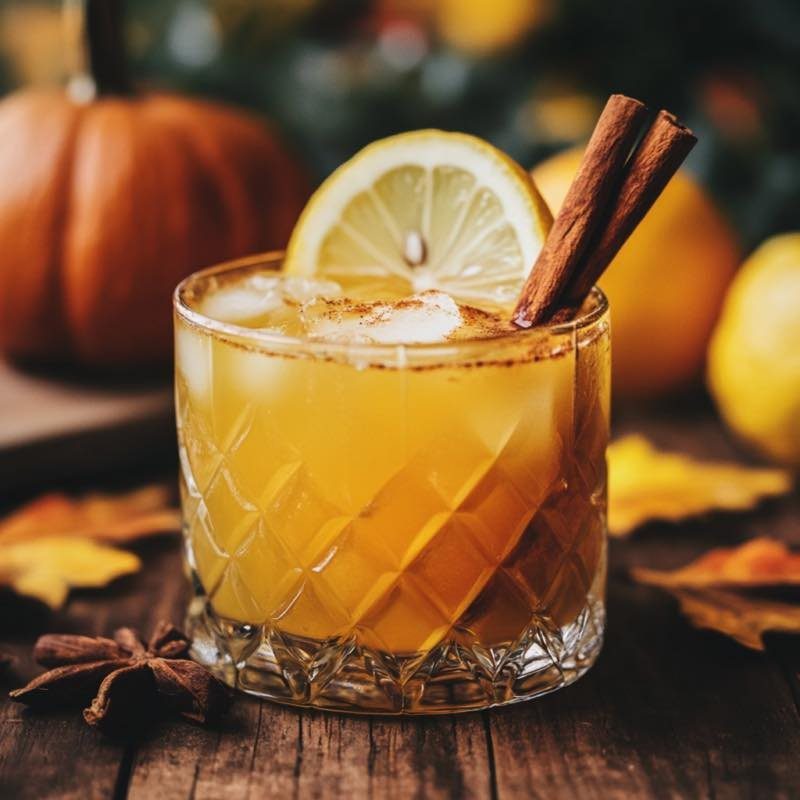
Lemon and cinnamon do the heavy lifting, turning a classic whiskey sour into something that belongs on an October table. A lemon slice and cinnamon sticks garnish the glass, and the sticks double as stirrers.
Offering one signature drink instead of a full bar keeps the bar tab manageable. I’d name it on a small sign so guests know what they’re getting.
7. Apple Walnut Salad
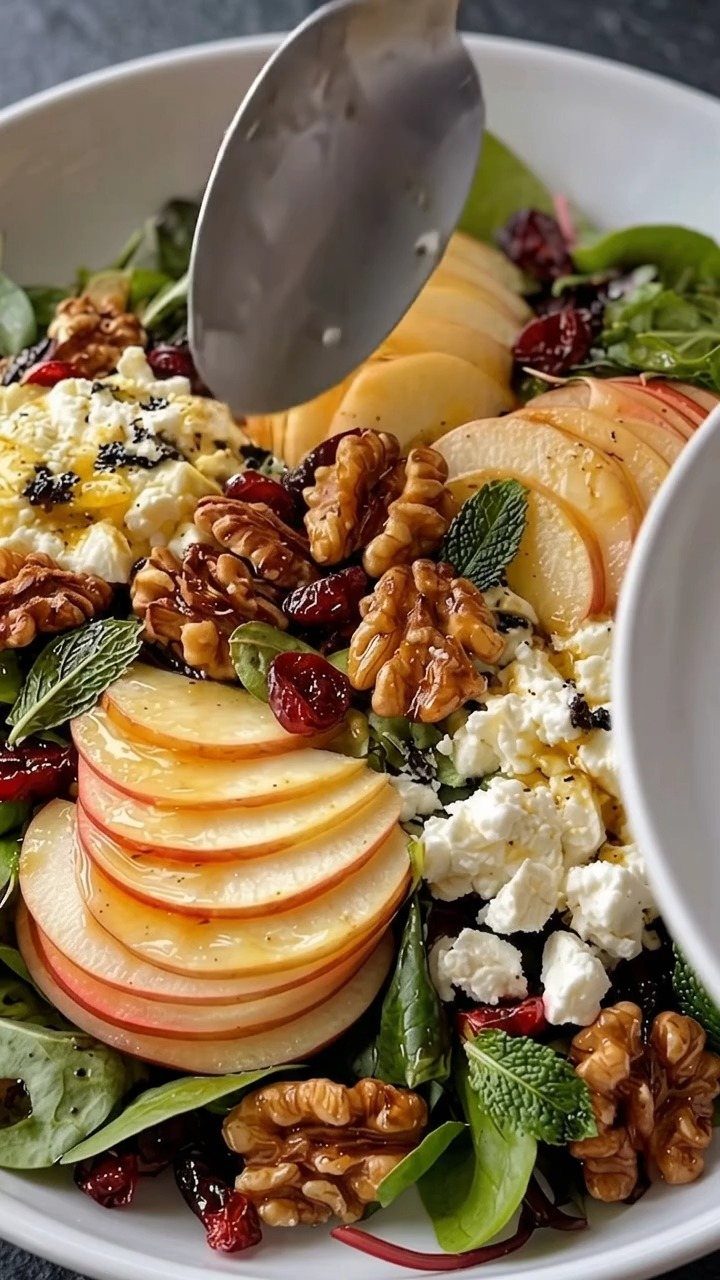
Crisp apple, toasted walnuts, tart cranberries and salty feta make a salad that tastes like fall without any cooking. Mint adds a bright finish.
I’d pick it as a plated first course or a family-style bowl at each table.
Toss the dressing in at the last minute so the apples stay crisp, and slice them close to when the plates go out so they don’t brown.
8. Harvest Vegetable Platter
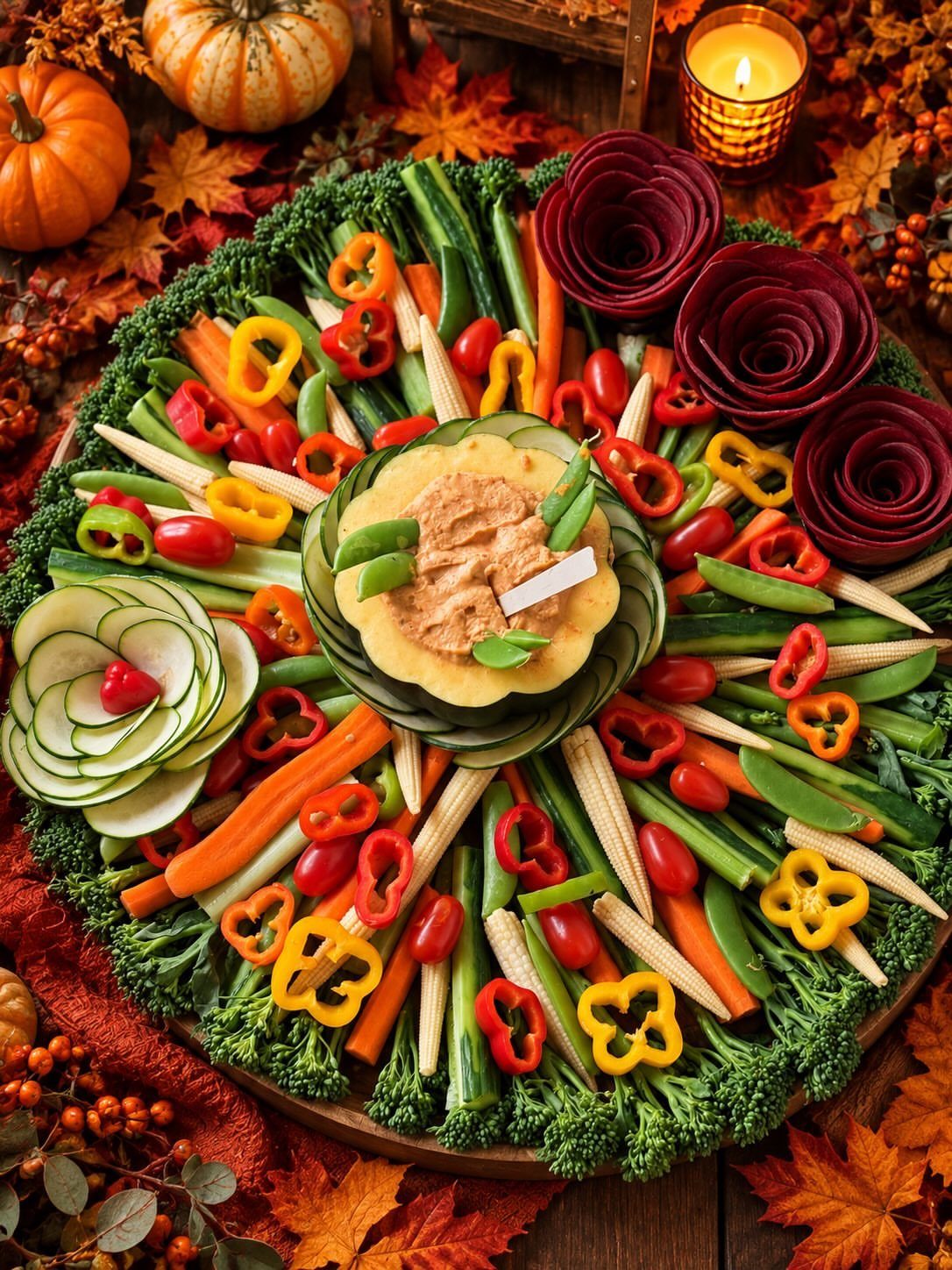
Raw carrots, peppers and broccoli around a central dip make the cheapest appetizer on this list to buy and one of the easiest to style. Buy the vegetables in season and cut them yourself or ask the caterer to.
Pumpkins and autumn leaves around the platter do the decorating, so skip the extra centerpiece for that table. I’d offer one dip rather than three, which keeps the cost down.
9. Mini Grilled Cheese and Tomato Soup
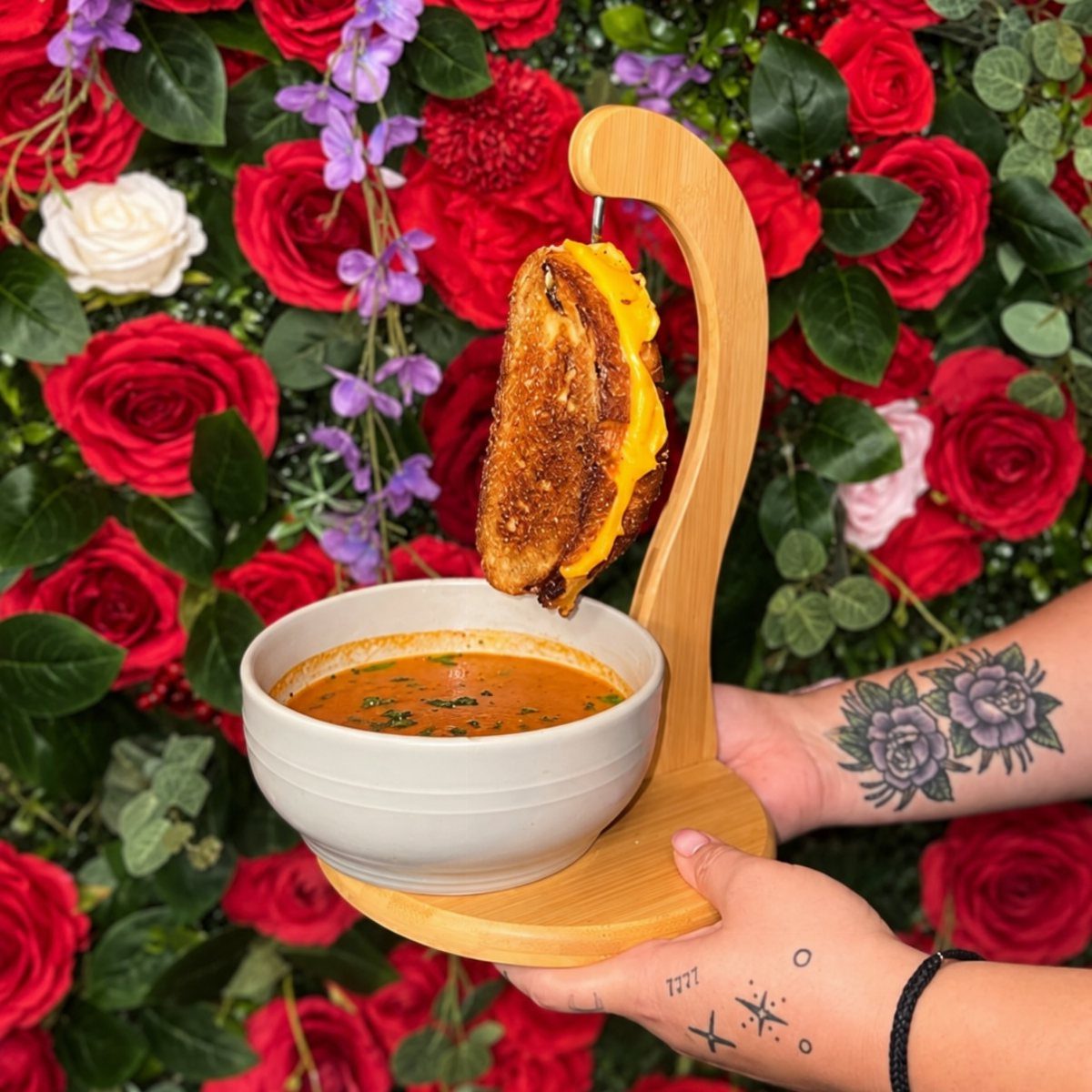
Tomato soup served with a mini grilled cheese is comfort food that guests recognize at once.
I’d serve it in small bowls as a late-night snack or a cocktail-hour bite, since the sandwich is the star and the portion stays small.
A wooden stand holds the sandwich over the bowl, so nothing gets soggy and guests carry it with one hand. Ask your caterer to price it per guest.
10. Cider-Braised Chicken
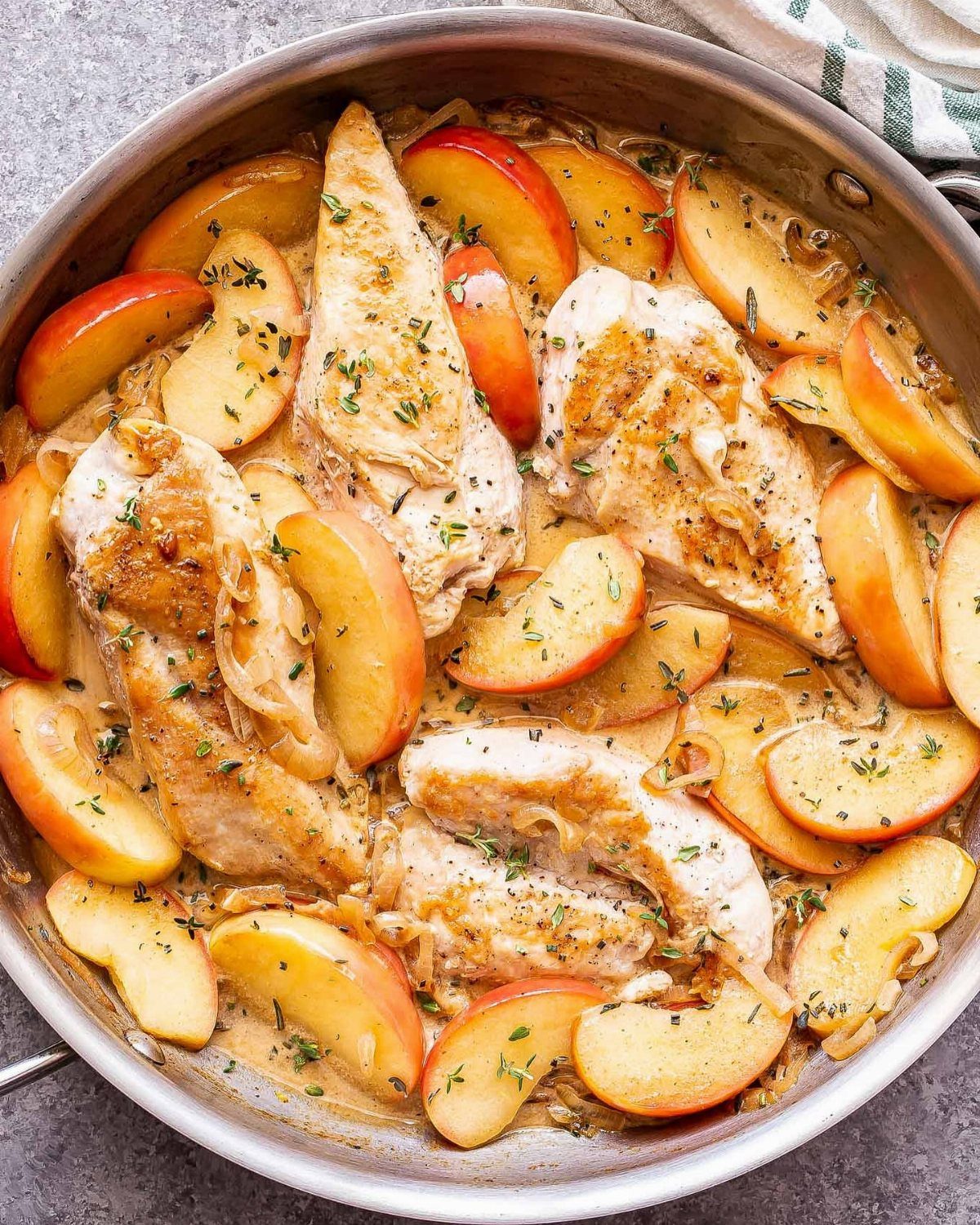
Chicken breasts braised with apple slices and fresh herbs in a light cider sauce give you a main course that tastes like autumn without being fussy. Chicken is also one of the friendlier proteins for a budget.
I’d braise it in a wide pan so the sauce reduces and the apples stay in neat wedges. Roasted vegetables alongside make the plate complete.
11. Apple Cider Bar
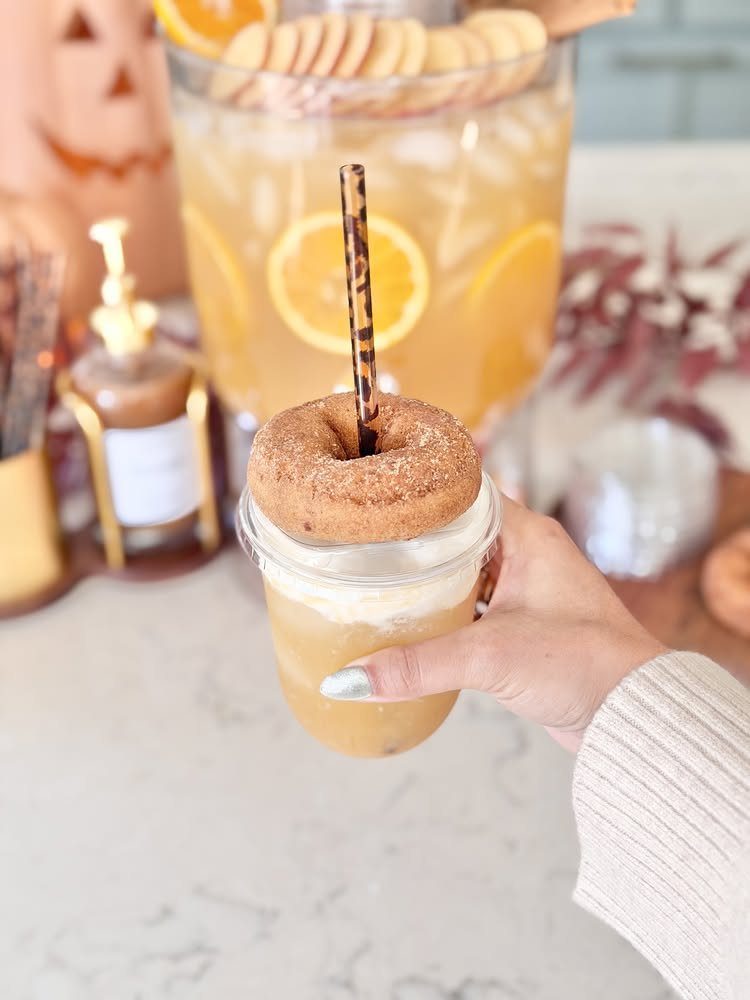
A large cider dispenser with orange slices floating inside lets guests pour their own, and that self-serve setup keeps staffing low. Set out cups, straws and a few toppings so each drink looks a little different.
A cinnamon donut on top of the cup is the move I’d copy: it works as a drink and a dessert in one. A pitcher of ice nearby keeps it cold for anyone who likes it that way.
12. Pecan Pie Bites
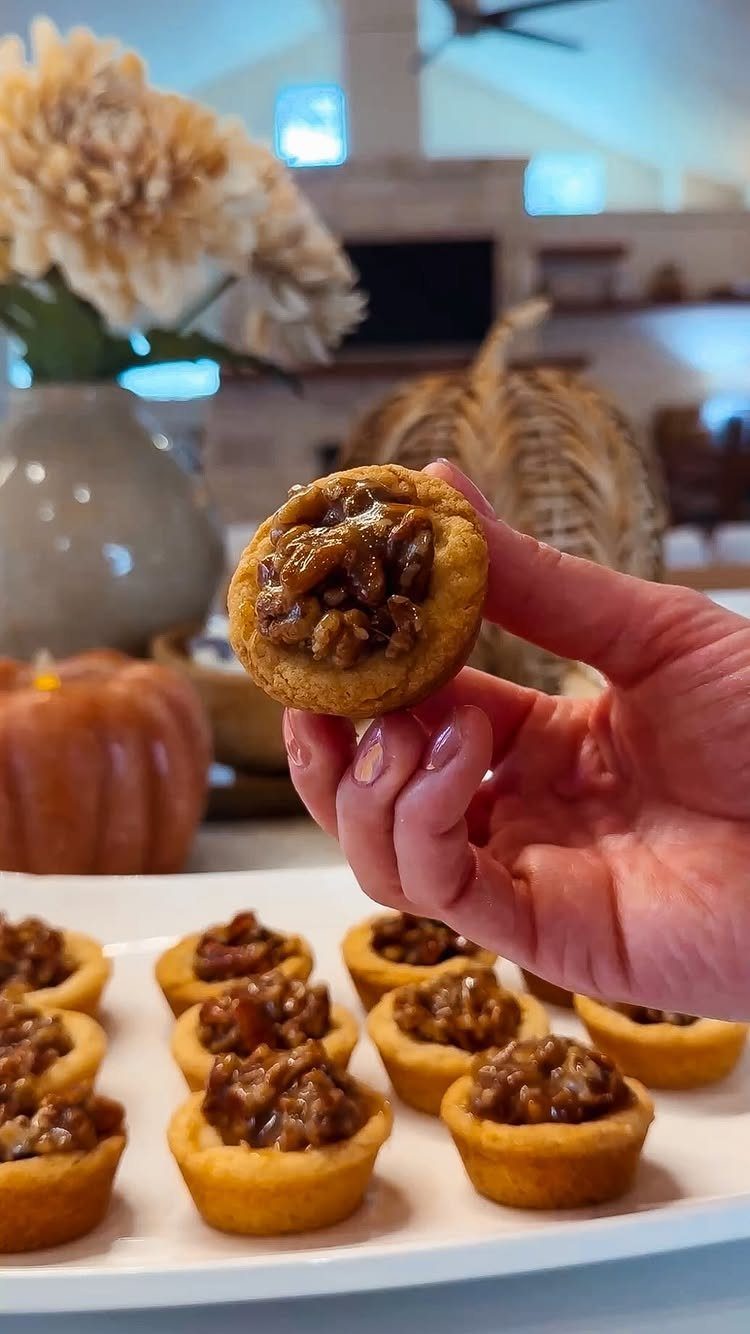
Pecan pie in 2 bites means no plates, forks or slicing, which makes it a smart choice for a dessert table. Guests can take one and keep mingling.
Press sugar cookie dough into a greased mini muffin tin and bake at 350 for 16 minutes, per the maker of this version.
Stir the filling constantly and let it bubble 2–3 minutes until slightly thickened. I like the cookie crust because it skips the pastry work.
13. Wild Mushroom Risotto
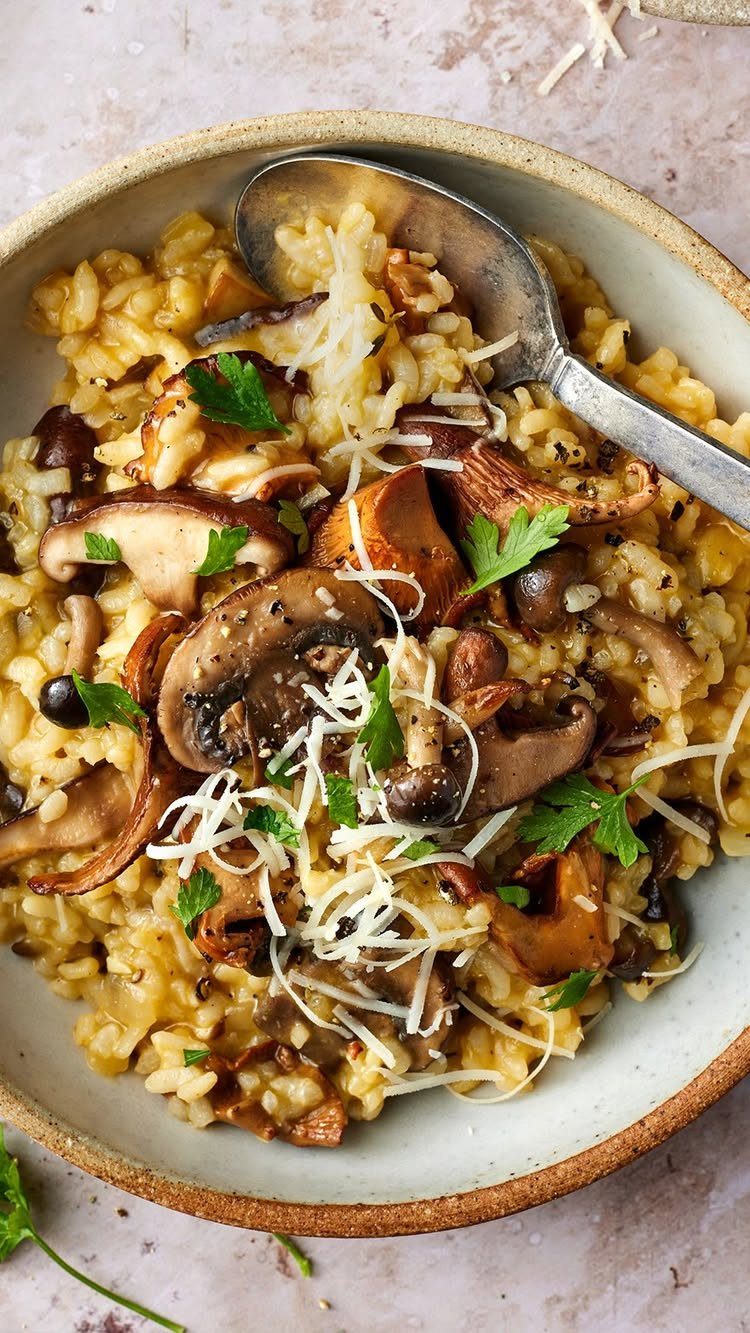
Mushroom risotto is the vegetarian main I’d put on a fall menu, because the creamy rice and earthy mushrooms read as a real dinner, not a side swapped in for guests who skip meat.
Risotto is best served right after it’s cooked, and holding it for a plated dinner is where it often goes wrong, so I’d press your caterer on exactly how they plan to do it.
Sliced mushrooms on top give the bowl its look, and they cost less than most proteins.
14. DIY S’mores Bar
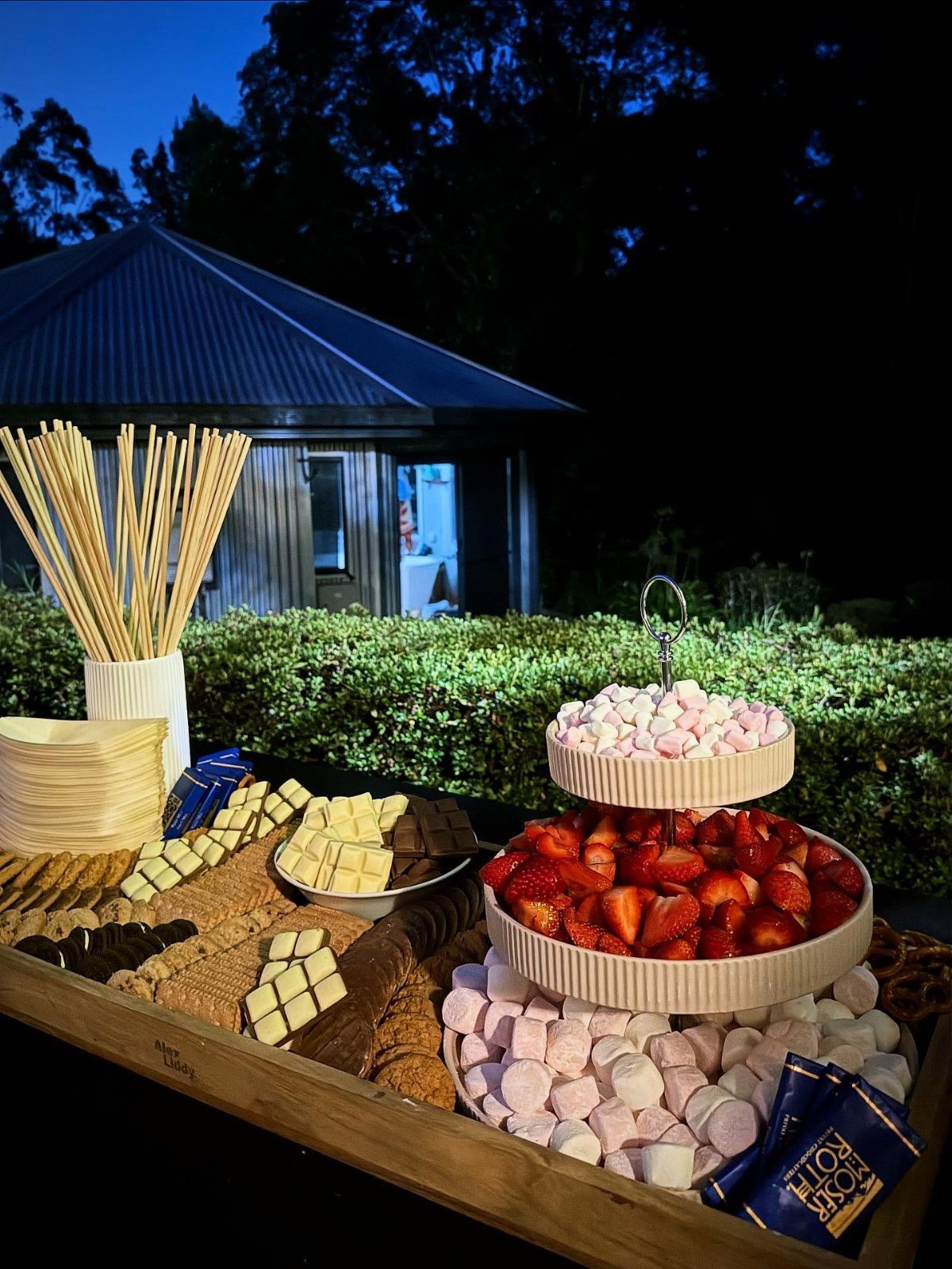
Guests who would rather toast their own dessert than queue at a cake table will gravitate to a s’mores bar. Marshmallows, chocolate and graham crackers are the base, and strawberries on the tray add a fresh bite against the sweetness.
Long skewers standing in a vase keep roasting tools in one spot. I’d put the bar outdoors after dark, near the fire, and ask your venue about open flames before you plan on it.
The ingredients are cheap, so the cost stays low.
15. Cranberry Pear Sangria
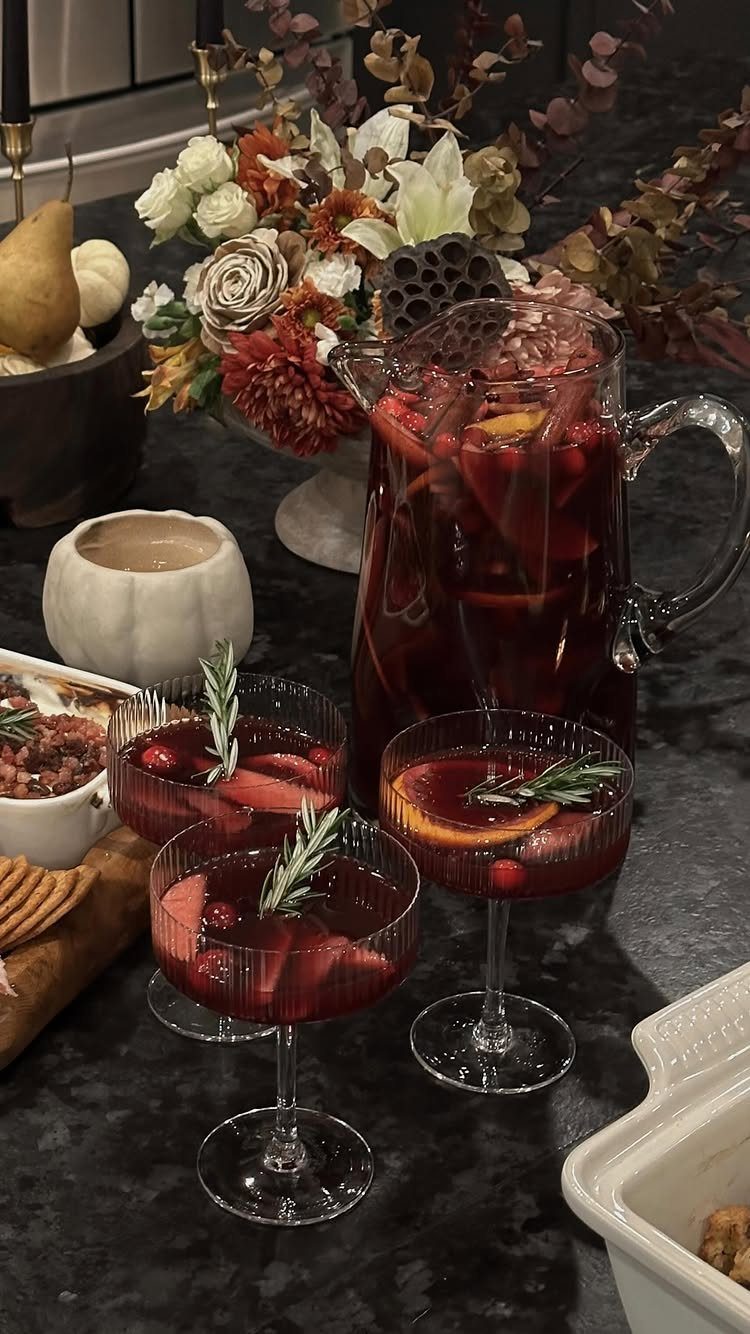
Red sangria with orange slices and rosemary looks like autumn in a pitcher, and cranberry and pear give it the fall fruit flavor in the name.
I’d choose it over a full bar for the same reason as the whiskey sour: one batch drink keeps the tab manageable.
Fill a few pitchers and set them on a table with glasses, so guests pour their own. A sprig of rosemary in each glass is cheap, smells wonderful, and makes the drink look finished.
Seasonal Ingredients Importance
Seasonal produce is cheaper and tastes better, and the two usually go together.
Apples, pears, squash, sweet potatoes, Brussels sprouts and carrots are all at their peak in fall, so a caterer pays less for them and they need less dressing up.
Local farms and suppliers can shape the whole menu, so find out who your caterer actually buys from and build the dishes around those names.
A dish built on what’s freshest that week beats a fixed menu you chose months ago.
Maple or cinnamon on roasted sweet potatoes, a pear vinaigrette on a salad, or a maple-glazed acorn squash all lean on the season without adding cost.
Buying local also keeps money with nearby growers, which is a nice side effect of a smart budget choice.
Interactive Dining Options
A food truck turns dinner into something guests walk up to, and it frees you from plated service. Guests choose their own food and watch it being made, which gets people mingling.
4 styles worth pricing out: a gourmet grilled cheese truck with different fillings and toppings, a farm-to-truck outfit cooking local seasonal dishes, a BBQ smokehouse with brisket or pulled pork sliders, and a wood-fired pizza truck where guests watch their own pie bake.
Check whether your venue allows trucks, and where one can park and plug in.
Warm Beverage Options
Evening receptions cool off fast, and a warm drink bar gives guests something to hold while they linger.
For guests who skip alcohol, I’d set up a coffee bar with pumpkin spice, caramel apple and maple syrups, then add a pot of mulled cider, hot chocolate or spiced chai.
For adults, set a small bottle of bourbon or Baileys beside the pots so guests can add a splash to their own cup. Keep the splashes of bourbon or Baileys modest, since guests pour their own.
Put the bar out late, around the time the dance floor fills, so the drinks stay hot and the supplies last.
Frequently Asked Questions
What to serve at a fall wedding?
Butternut squash soup, roasted root vegetables, cider-braised chicken and an apple cider bar all taste like the season and are easy to pull off.
Soup gets my vote as the first thing to lock in: it can be cooked days ahead and held hot, so the kitchen isn’t scrambling at the last minute.
Serve it in small cups or bowls, about 4–6 ounces, and guests still have room left for dinner.
What is the cheapest way to feed 100 people at a wedding?
Lean on cheap, seasonal ingredients and self-serve setups. Roasted vegetables and chicken cost less than most proteins, and a cider or hot chocolate bar needs little staffing.