Ceremony music covers a lot of ground, from low-volume background tunes while guests find seats to the processional for your parents and the recessional, and the moment you are scoring decides which song fits.
A song that works for the pre-ceremony stretch, where guests need to keep talking, will not work for the recessional, where a clear, happy pulse people can clap along to wins.
Check the performers against the song, too: a jazz trio may not be able to match a pop track the way the recording sounds, so ask them before the list is locked.
1. Pre-Wedding Ceremony Music
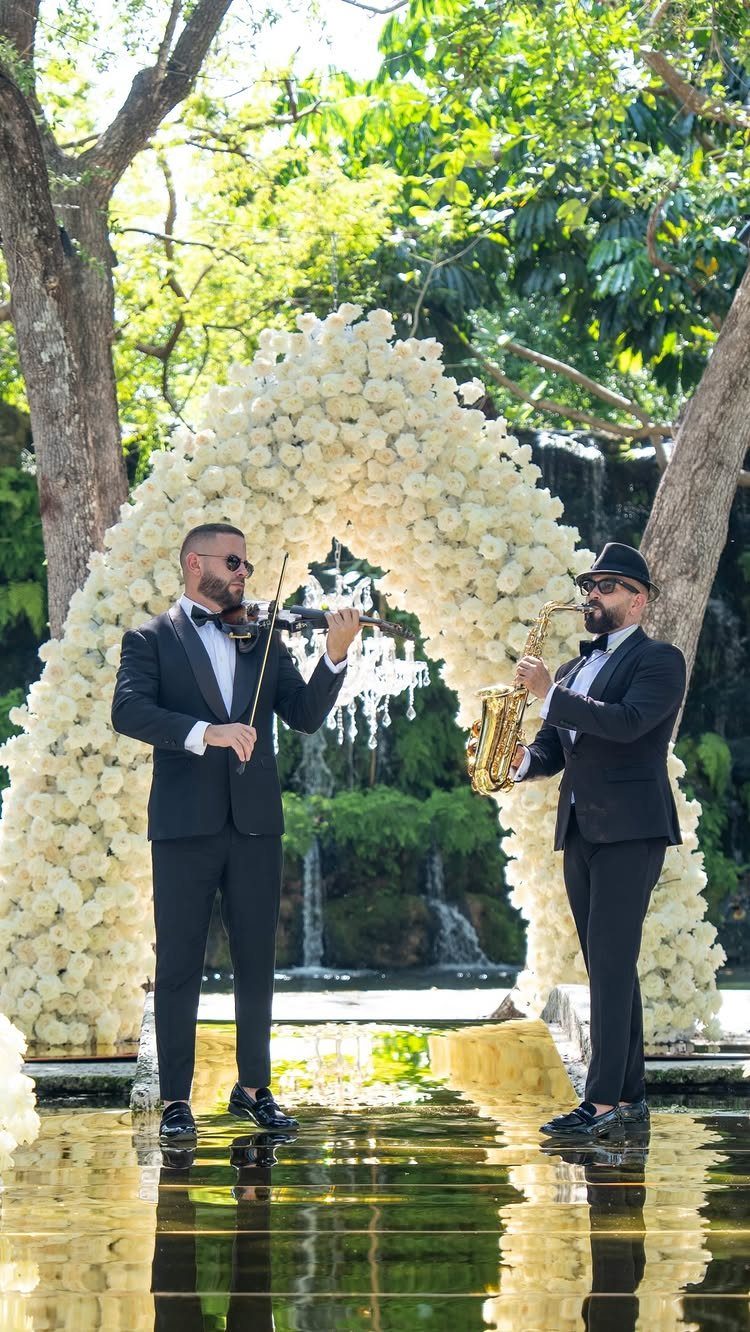
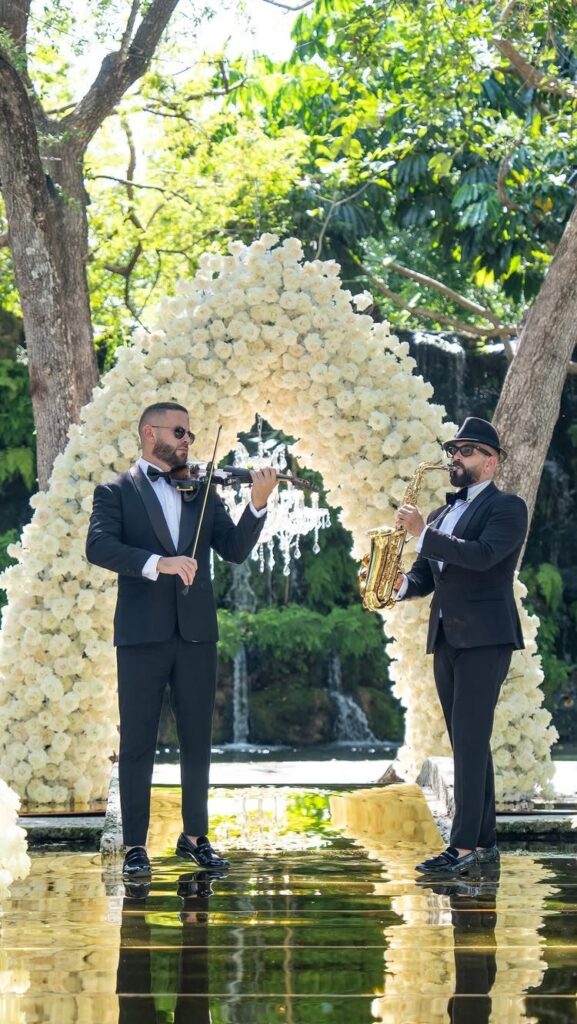
Live violin and saxophone make a good pair for the half hour guests spend finding seats. The violin keeps things classical and the sax adds warmth, so the mix suits instrumental covers of songs people already know.
Ask the musicians for a short set list before the day and pick the pieces you would actually listen to.
Keep the volume low enough that guests can still talk. If a duo strains the budget, a single player or a playlist on a good speaker does the same job.
2. Parent Entrance Music
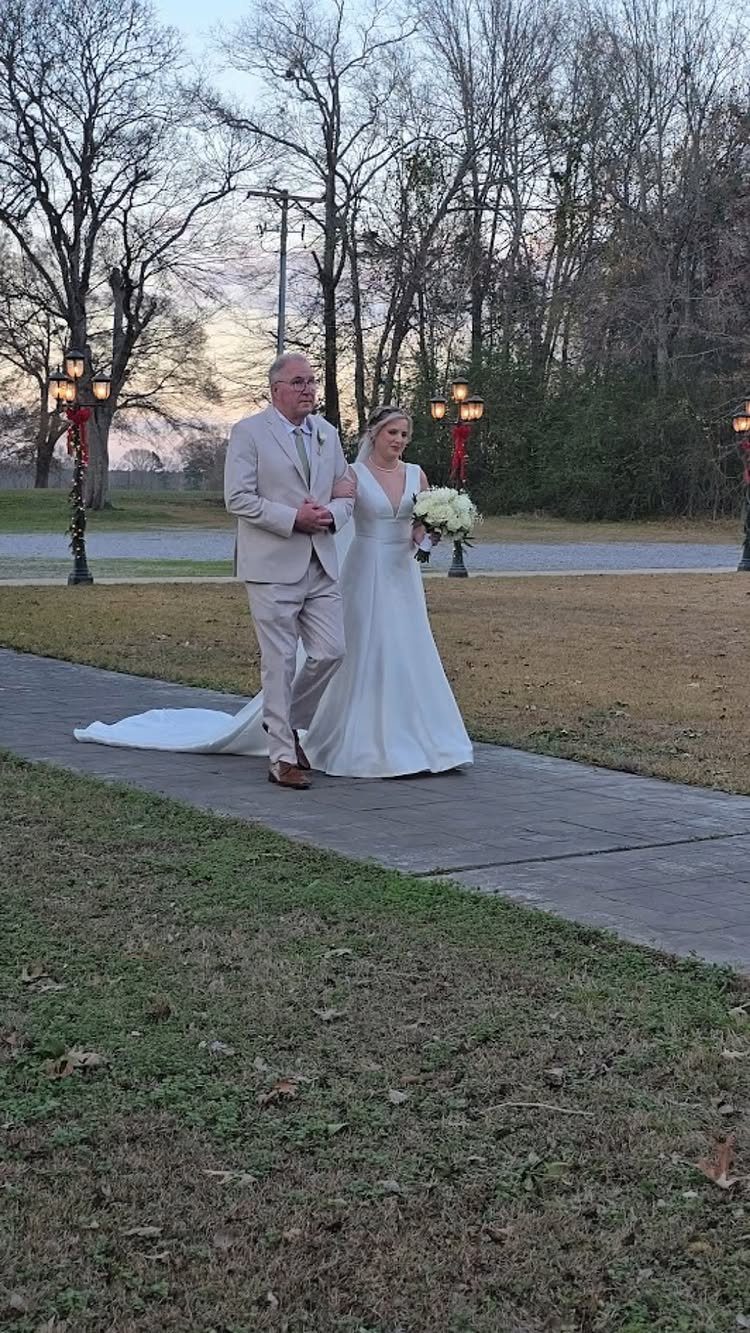
Walking in with a parent on your arm is the moment guests read as "this is starting," so the music change matters more than the song itself.
Choose something noticeably different from the prelude: slower, softer, or simply a new tune.
I like an instrumental version of a song that means something to the two of you, because lyrics can pull attention from the faces in the aisle.
Tell your musician or DJ exactly when to switch, and walk slowly enough that the song gets heard.
3. Recessional Music
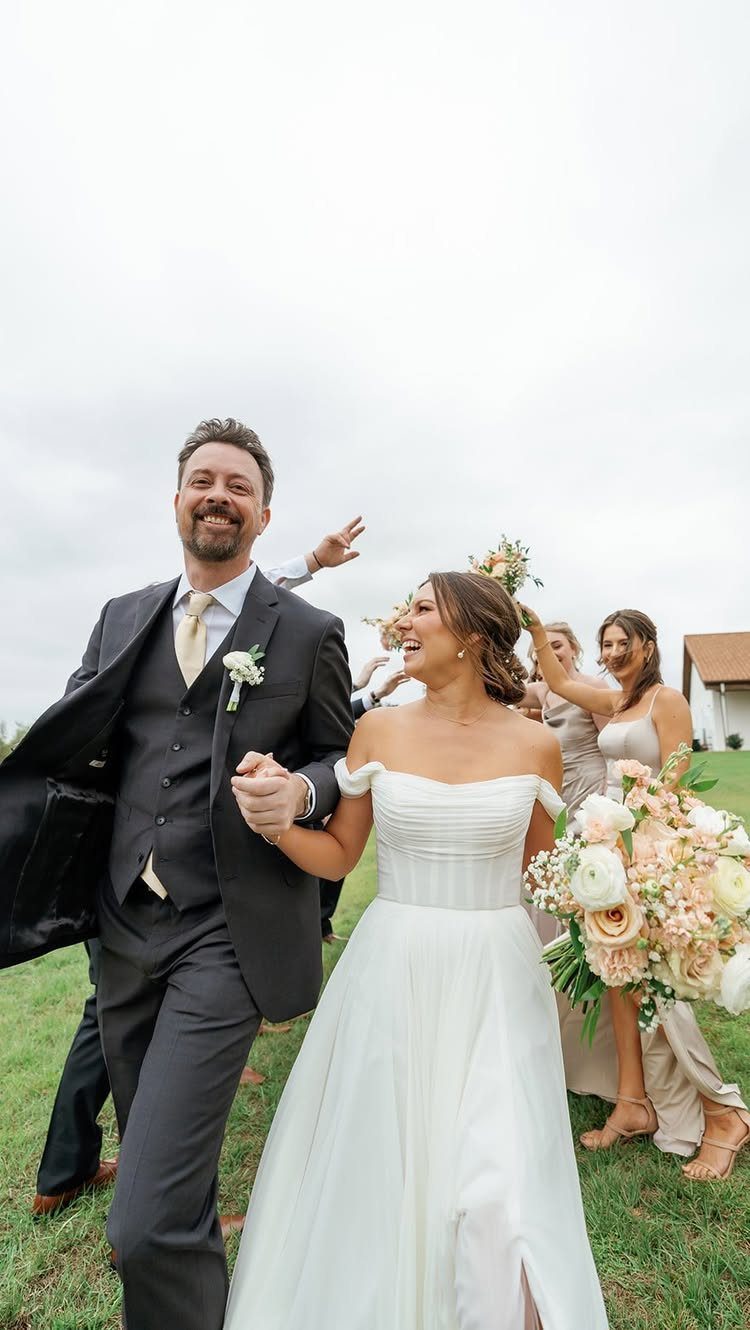
Upbeat wins here. After the vows, the recessional should feel like a release, so pick something with a clear, happy pulse that people can clap along to.
Choose a song you would happily hear at the reception too, since a good one can double as your exit track.
Keep in mind that the walk is short, so the opening seconds are what guests will hear. Tell the DJ or band to start at the chorus if the intro runs slow.
4. Father/Daughter Dance
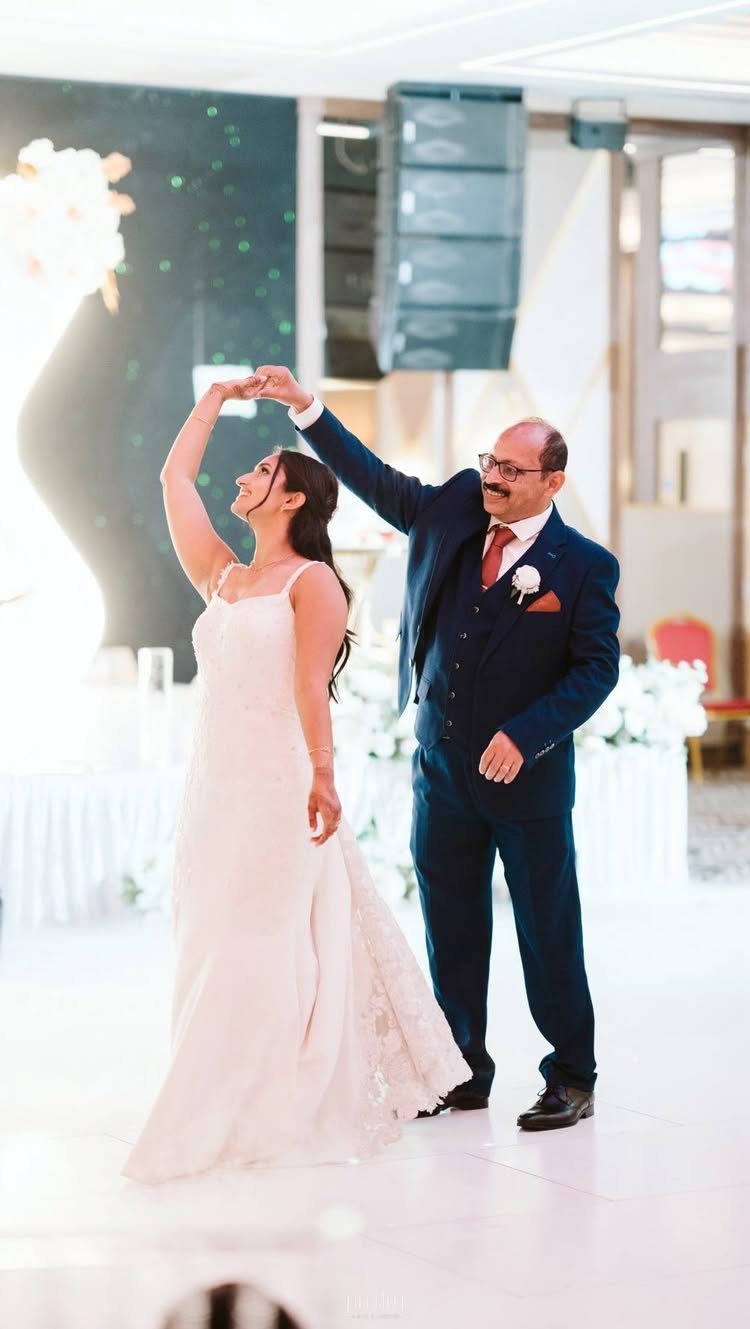
A father/daughter dance is only as good as the song, and the best ones are slow enough to talk during. Pick lyrics that fit your relationship, then decide how long you want to be on the floor alone.
A father/daughter dance can feel endless to a nervous dancer, so I would ask the DJ for an edited version, with other guests invited in partway through.
A few easy steps beforehand take the edge off. Skip choreography unless you both want it.
Choosing the Right Music
Start with the moments in your ceremony that actually need music, then match the sound to your venue.
A stone chapel and an open lawn make the same song sound very different, so think about acoustics before you fall for a track.
Mix up the pace and mood from song to song, so the ceremony music builds like a short story with an opening, a middle and a close.
A movie-themed wedding can pull songs from your favorite films, and any theme works better if the picks also reflect the two of you.
Guests count too. Pick pieces that most of your guests will enjoy, since the music is for the whole room and not just the couple at the front.
Working with Professionals
Decide how the music will be played before you finalize the song list, because the performer shapes what you can play.
A jazz band fits a Roaring Twenties theme beautifully, but it may struggle to play your favorite pop songs the way the recordings sound.
Some couples mix formats: a live string quartet adds gravitas to the processional, then a DJ takes over to energize the dance floor in the evening.
That split can also stretch a budget, since you pay for live players only during the ceremony.
A professional who has played many weddings knows the full run of songs a ceremony needs. Ask for help finalizing the list, and ask whether they can time a song to your walking pace.
Testing Your Music Choices
Play your picks back to back, in ceremony order, and listen for clashes in tempo or mood while you can still swap a song.
Songs that sound great alone can clash in a row, with keys, tempos or moods that jar.
Listen for the story: a calm start, a lift at the processional, a happy finish. If one track breaks that arc, swap it out.
Do the test together, and if possible hear the songs on a speaker as close to your venue’s setup as you can get.
Frequently Asked Questions
What are the top wedding songs?
For processionals, classical standards like Pachelbel’s "Canon in D," Bach’s "Jesu, Joy of Man’s Desiring," Debussy’s "Clair de Lune" and Wagner’s "Bridal Chorus" come up most often.
Modern picks include "Perfect" by Ed Sheeran, "A Thousand Years" and "Make You Feel My Love" by Adele.
I’d choose by moment rather than by chart: something calm for the prelude, a clear change for the entrance, and an upbeat track for the exit.
What songs are good to play before a wedding ceremony?
Soft, unobtrusive instrumentals work best, such as live violin and saxophone playing covers of songs guests already know.
Plan about 30 minutes of music to cover early arrivals and latecomers. Pre-ceremony music should sit under conversation, and a solo player or a playlist through one good speaker costs far less than a duo while still filling the quiet.
What is a wedding processional song?
It’s the song played while the bridal party and then the bride walk down the aisle. It tells guests the ceremony is starting, so it should sound clearly different from the quieter prelude before it.
Can I use a modern song for my processional?
Modern songs work fine here, and "A Thousand Years" is one I see chosen a lot. Check that your performer can play it the way the recording sounds, since a jazz band, for example, may struggle with pop songs.
How long should my processional song be?
Plan on 2–4 minutes of music, with the exact length set by how many people are walking and how long the aisle runs.
A slower pace lets guests take in the music as you move. A musician can often stretch or trim an arrangement to match your pace, so ask about that before the day.