Most of the candid frames on this list cost nothing extra, since they depend on a photographer who stands in the right spot and a timeline with some slack built in.
Your choice comes down to how much unassigned time the schedule can spare, and whether the photographer you pick works in a documentary style that leaves room for those moments.
1. Candid Laughter and Tears
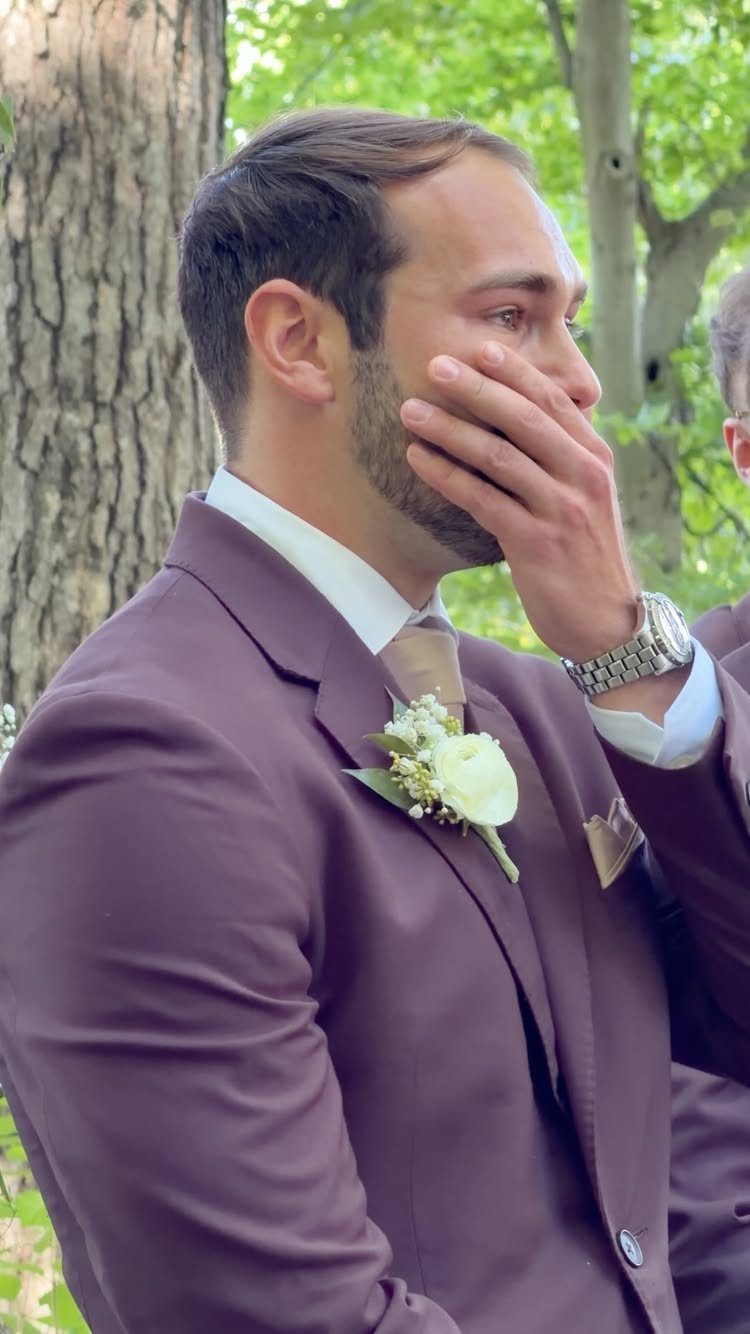
A hand over the mouth and a wiped-away tear are the frames couples most often tell me they want and can’t ask for. They only happen when nobody is directing.
Brief your photographer to stay back with a longer lens during the ceremony, and skip the "look emotional" cues.
Ask the person delivering the vows or the speech to take their time, because the pause before the voice cracks is where these frames live.
Budget-wise, nothing extra is needed. It is a matter of where the photographer stands.
2. Couples Natural Interactions
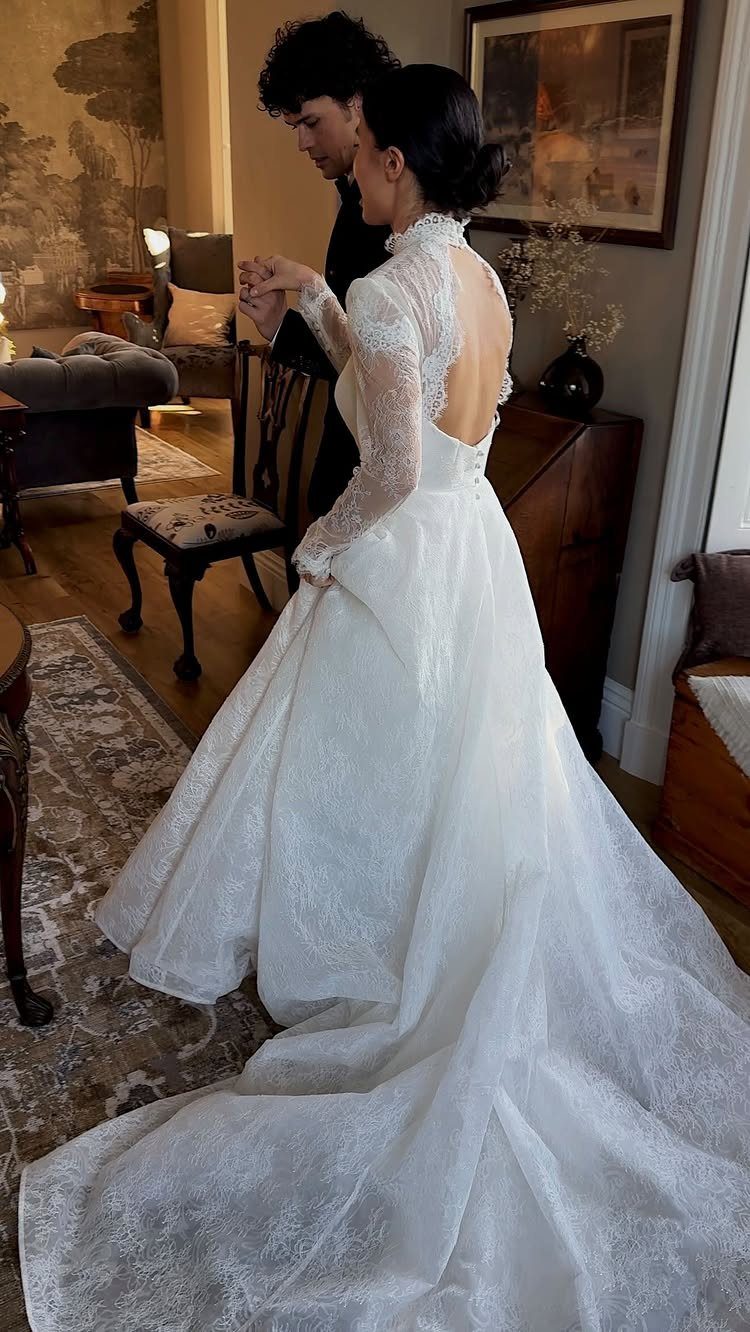
Hand-holding in a quiet room or a slow dance in a living room: neither needs a script, just a little unhurried time together.
Ask your photographer to build a block of time into the schedule where you do nothing assigned.
Walk, talk, sway to a song, and let the camera trail you. Whisper something silly to each other if you freeze up.
I prefer this over a long list of poses, since a couple who is genuinely enjoying each other photographs better than one hitting marks. It costs you nothing but a gap in the timeline.
3. Documentary Style
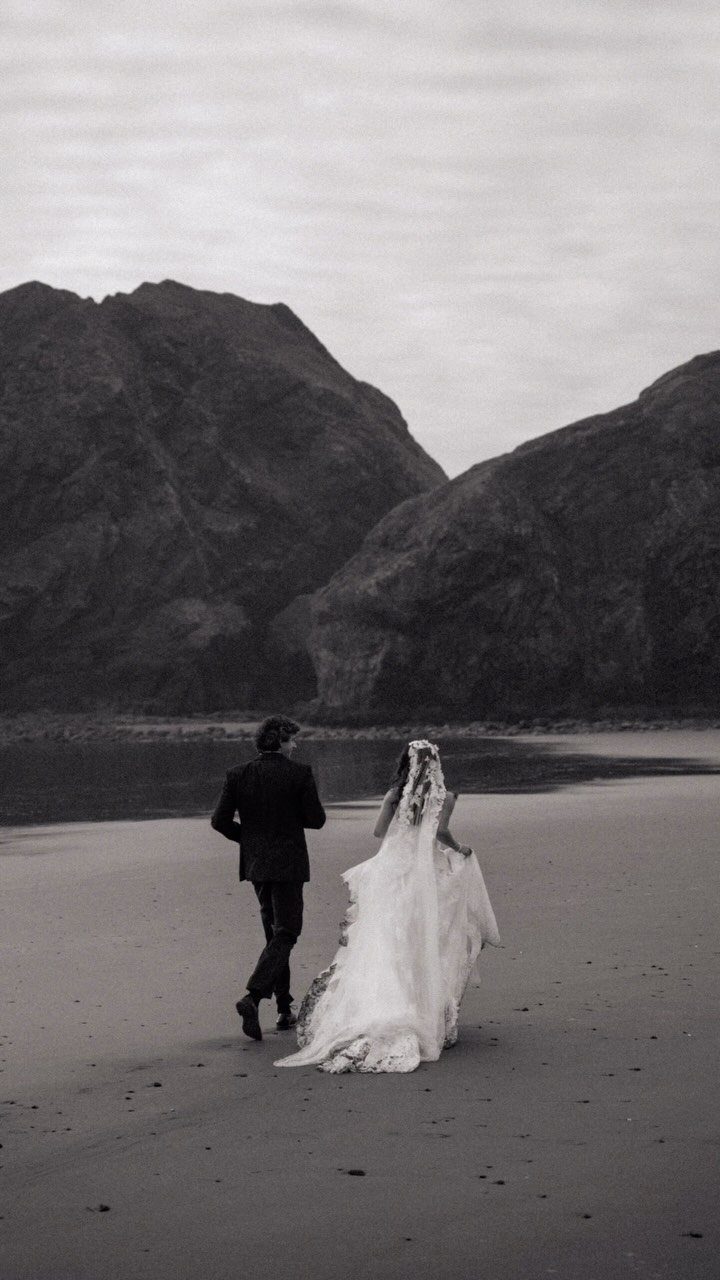
Black and white suits the documentary approach because it strips out color distractions and lets the moment carry the frame.
The photographer follows the day as it happens and rarely steps in. You get a sequence that reads like a story, from the first look to the last dance.
If you choose this, ask to see a full gallery from a past wedding, not a highlight reel. Check that the quiet in-between frames are as good as the big ones.
4. Posed and Candid Wedding Photos
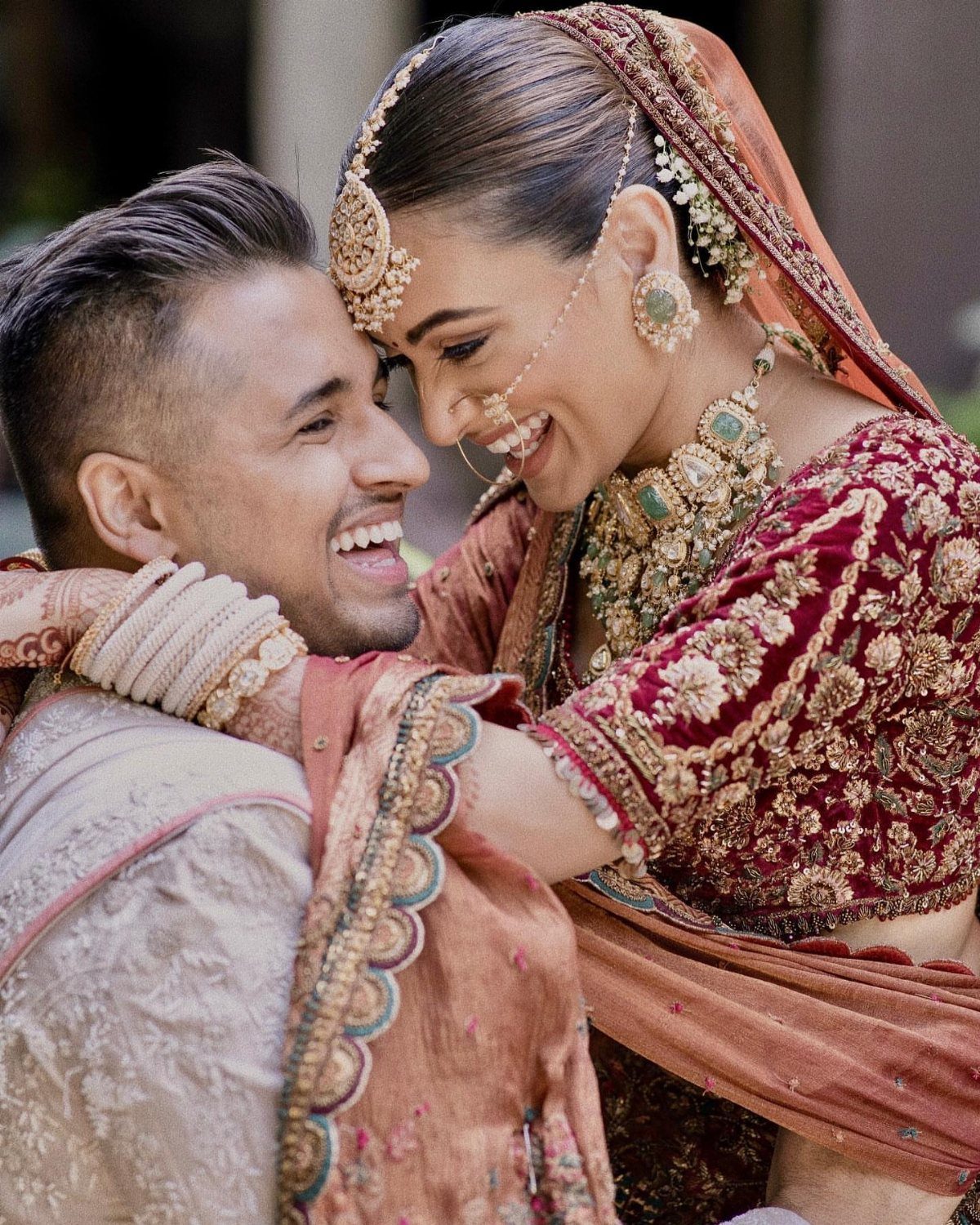
Posed and candid frames work best as a pair. I would plan a short block of simple, directed portraits, then let the photographer cue a prompt and step back.
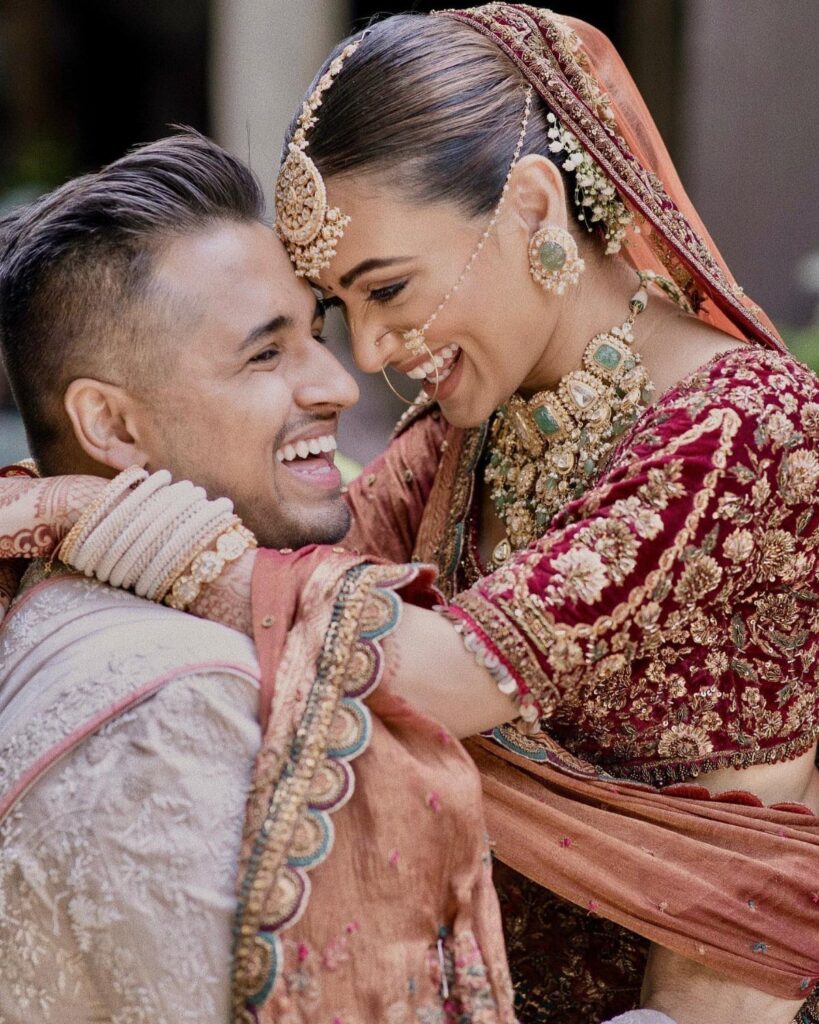
A close embrace with both of you looking at each other is a good example: the pose gets you in position, and the laughter that follows is the keeper.
Give a simple instruction like "pull each other close and tell her what you noticed first" and let the real reaction break the stiffness.
On a tight budget, this is the safest mix, since you get family formals and natural frames from one shooter.
5. Guests Candid Emotional Responses
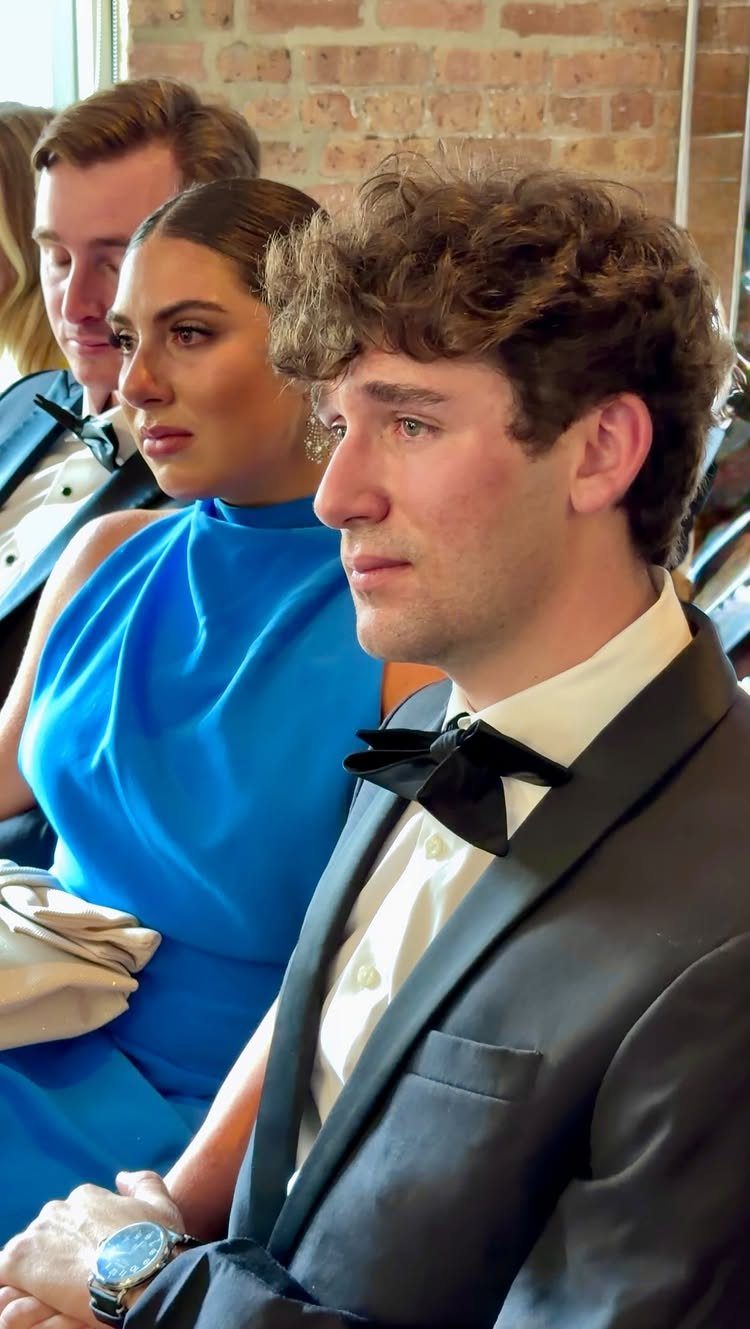
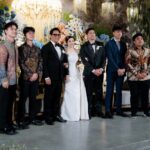
Guests react in ways the couple never sees, such as a friend in a tuxedo tearing up beside someone in a blue dress. Those frames are often the ones parents frame later.
Tell your photographer in advance to turn around during the vows and toasts and shoot the audience. Seat close family where the lens can reach them, and ask the photographer to scan faces rather than only watching the couple.
One shooter can cover this, but a second shooter makes it far easier. If the budget allows only one, put that request in writing.
6. Groomsmen Dance Floor Celebration
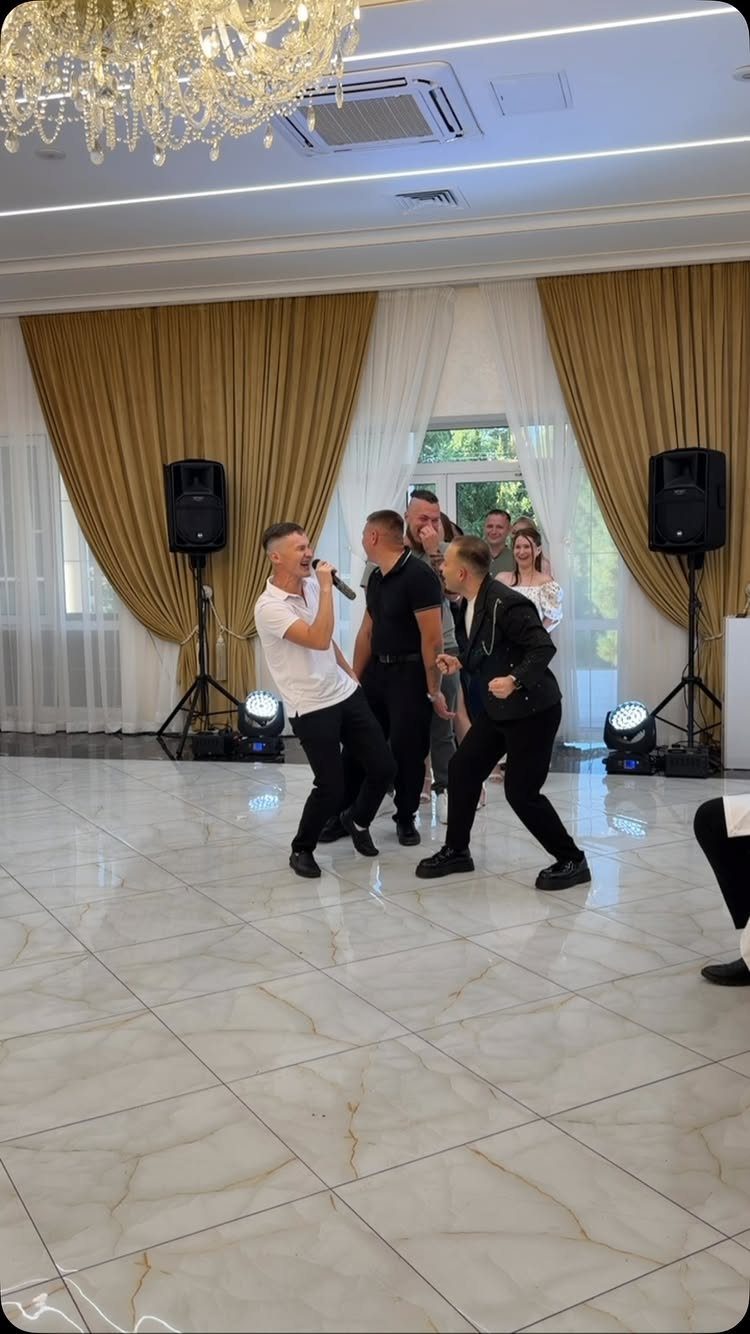
Groomsmen belting out a song on the dance floor will give you the loudest, funniest frames of the night, and none of them can be faked.
Timing matters most.
Ask the DJ to play a crowd song early in the dance set, when energy is high and ties are still on. Tell your photographer to be on the floor then, not along the wall.
I would give the groomsmen a heads-up and nothing more. A staged "dance for the camera" moment looks exactly like that.
7. Bridal Suite Getting Ready Moments
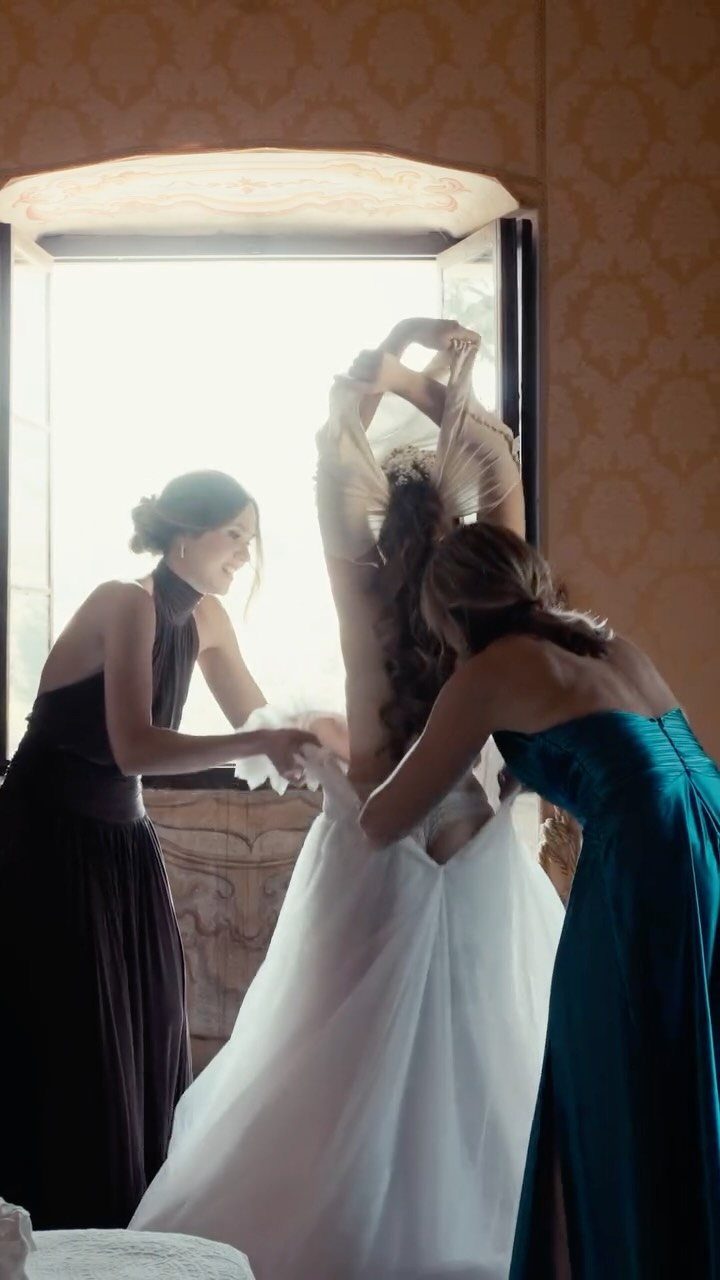
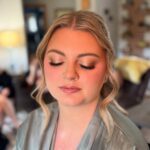
Bridesmaids lacing or buttoning the back of a gown give you one of the few getting-ready frames that tells a story: the dress, the hands, and the people who showed up early.
Ask your photographer to arrive before the dress goes on, and put the bride near the brightest window in the room. Window light is free, and it keeps the frame clean without any extra gear.
Tell the bridesmaids to just do the work and chat as they normally would. If they glance at the camera, the frame loses its ease.
8. Under the Veil Intimate Portrait
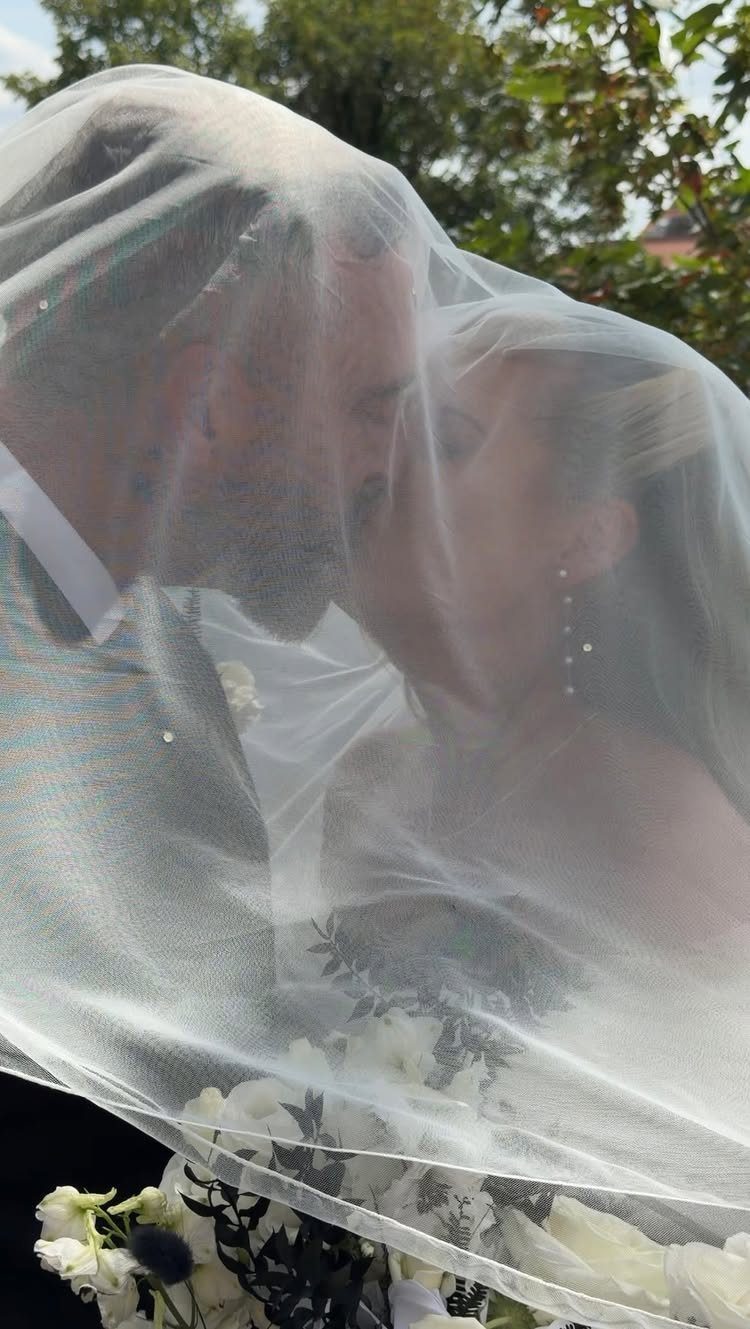
A veil pulled over both of your faces turns a kiss into a private moment, even with a photographer a few feet away.
Plan this one for the portrait window, outdoors, with the veil lifted and draped over you both. Ask your photographer to shoot tight and wait for the second kiss, because the first is usually a little self-conscious.
I like it for a modest budget: it needs only the veil you already own and a photographer who is willing to step in close. Bring a helper to hold the veil steady if there’s any wind.
Choosing a Wedding Photographer
When I look at a photographer’s work, I care less about editing style than about whether the people in the frames seem fully there, not performing for the lens.
Ask for a full gallery, not just the highlight reel, and look for laughs, tension, tenderness and motion alongside the polished portraits.
Decide first what you want: fully candid, posed, or a mix. Candid work can still have a refined finish, so you don’t have to choose between natural and stylish.
Ask yourself whether the images make you feel something. If they do, that photographer is worth a call.
Creating Space for Moments
You can’t engineer spontaneity, and trying too hard usually backfires. Your job is to leave some breathing room in the day.
Pad the timeline with extra minutes, most of all around getting ready, travel between locations and the stretch right after the ceremony.
A first look can buy you more time with guests, so consider it for that reason. Don’t choose it just because someone says it’s required.
Small moments need slack in the schedule: a glance across the room, lipstick on a champagne glass, a sudden laugh in the middle of a serious speech.
Engaging with the Photographer
Candid photography takes participation from you. Standing still and hoping something natural shows up on your face won’t work.
During portraits, expect prompts from your photographer.
Standing still and waiting for exact directions, or fretting about getting a pose right, shuts down the very energy you paid someone to capture. I would rather you interact with your partner and trust the photographer.
Feeling awkward is normal, and you don’t have to know how to pose. For most of the day, just get on with your wedding.
Frequently Asked Questions
What is candid photography in a wedding?
A candid wedding photographer shoots moments as they unfold on their own, such as a grandfather’s laugh or a flower girl’s meltdown, with nobody asked to pose or repeat anything.
The photographer stays back, often with a longer lens, and catches things like laughter, tears, guest reactions and quiet time between the two of you. Because nobody is directing, the emotion in the frames tends to look genuine.
Do candid wedding photographers still take couple photos?
Yes. You still get portraits of the two of you; the difference is that the photographer keeps the mood loose and steps in with direction only when a pose or a spot of light needs it.
A short block of simple posed portraits followed by a prompt and a step back gives you both, and on a tight budget one shooter can cover family formals and natural frames.