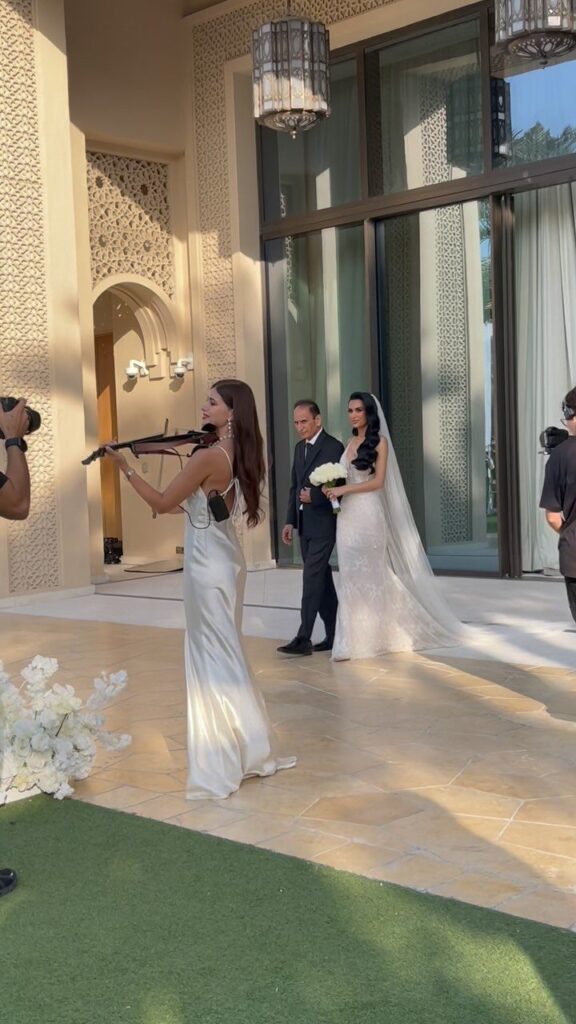
Ceremony music can be as small as one violinist for the processional or as full as a quartet, and the difference comes down to how many moments need sound, from the bride’s entrance to the music during the ceremony.
Count those moments first, because every one you give to live musicians adds to the cost, and a ceremony that runs only 10 minutes may sound better with recorded tracks at just a couple of cues.
1. Bride’s Entrance Music
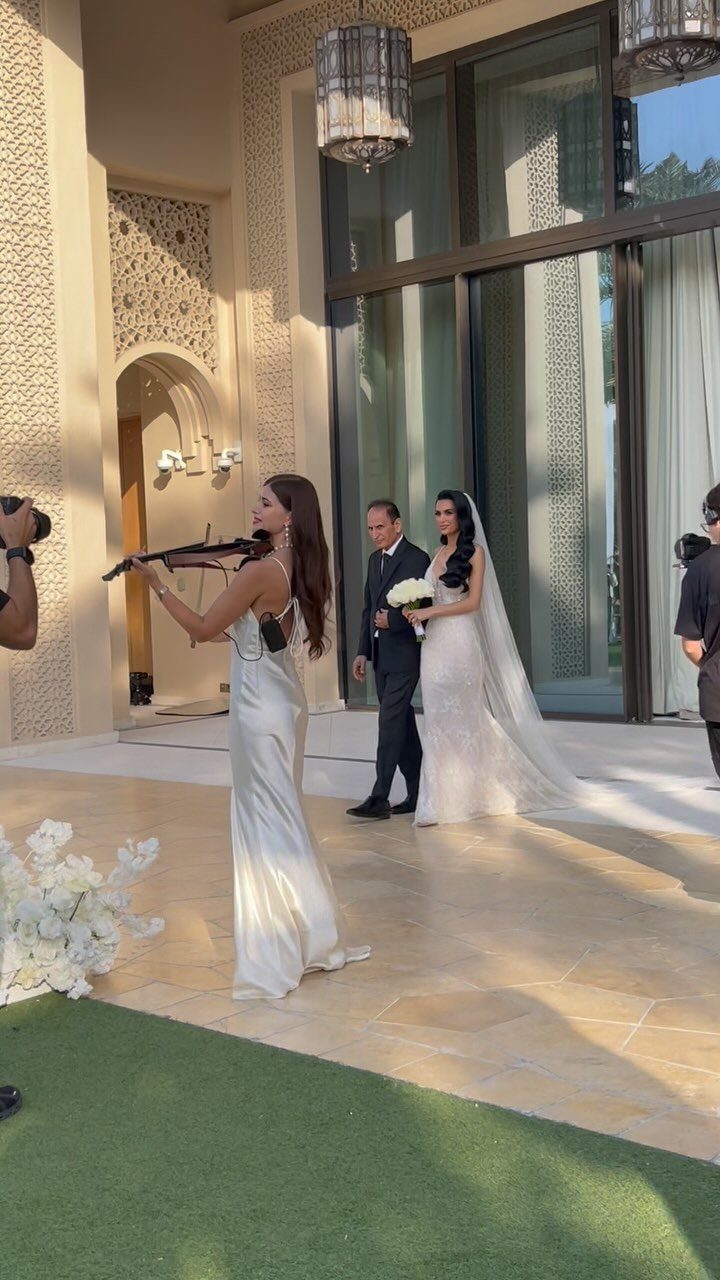
A single violin is enough for the processional. One player, one melody, and everyone’s attention lands on the person walking down the aisle.
I would pick the piece first and the arrangement second.
Choose a song you can hear yourself walking to at an unhurried pace, then ask the musician whether it can be played solo. Fast tunes rush you, and slow ones can drag.
Ask for a cue too, so the player knows exactly when to start. A nod or a glance at the doors is plenty.
2. Music During Ceremony
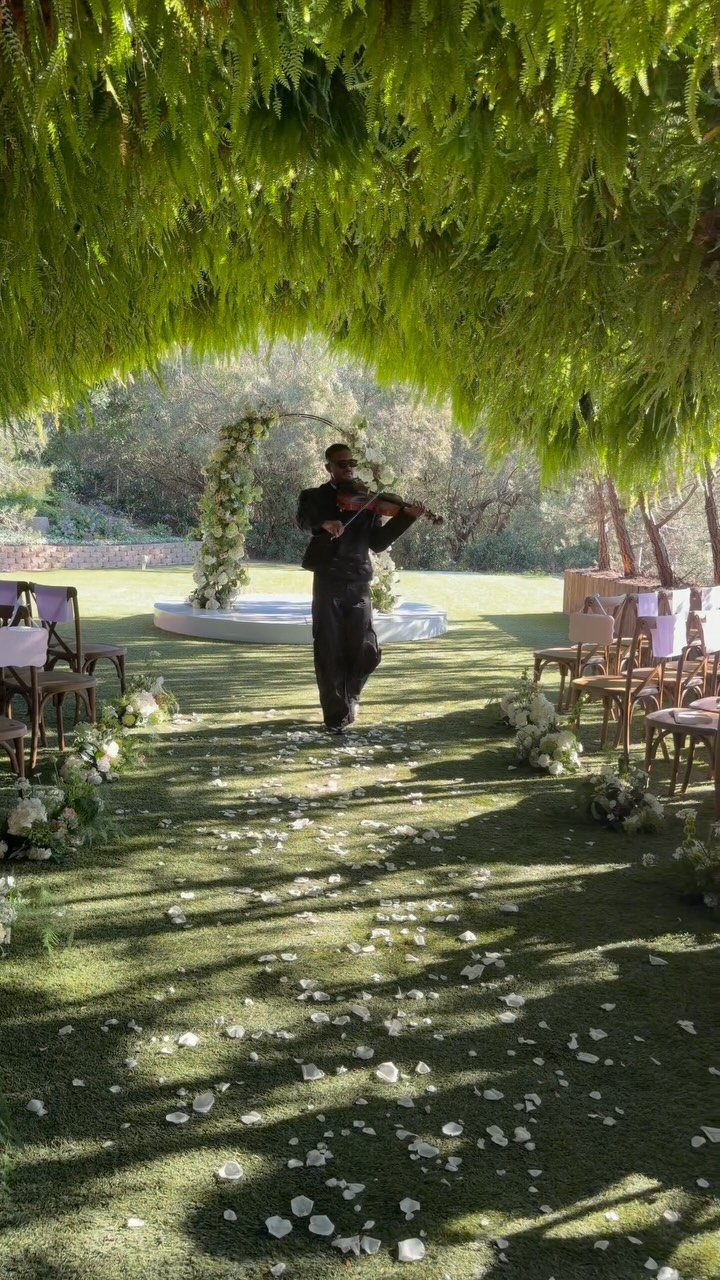
Music during the ceremony is optional, and I would treat it as a choice rather than a default.
A solo violin played softly while guests settle in, or during a lighting of candles or a signing, fills the quiet without competing with the vows.
On a tight budget, a single player is the simplest version. Pick calm, steady pieces so people can still hear the officiant.
Skip it if your ceremony is only 10 minutes or so. Silence can feel intimate, and you can save the money for the reception.
3. Live Musicians
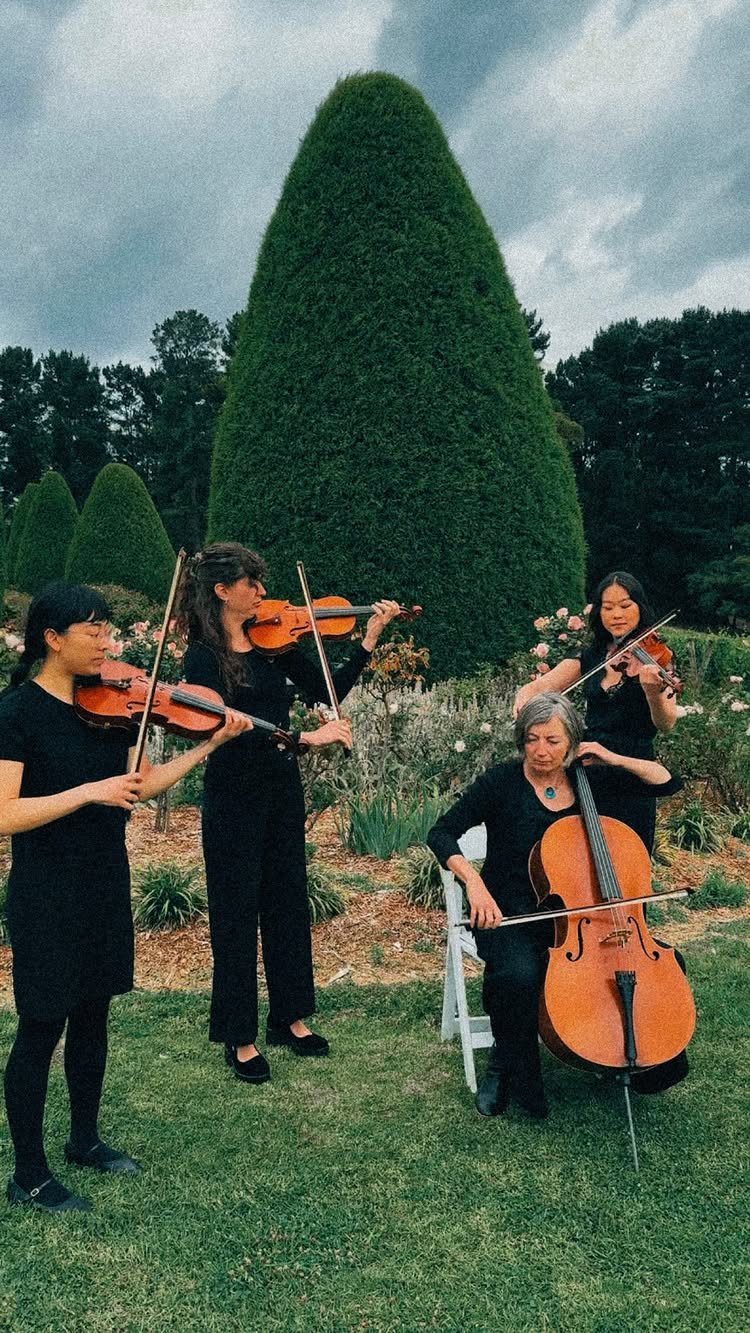
A single booking can cover the prelude, the processional and the exit, so ask the group to quote all three together.
Cost rises with every player, so I would compare a quartet against a solo or duo before deciding. Ask each group for a song list and a recording of their playing.
Send the final song choices well ahead of the date. Players need time to arrange anything that is not already in their repertoire.
Choosing the Right Music
Start with the moments that need music, then pick songs for each one.
Most ceremonies have four or five slots that need music: guests taking their seats, the entrance, a signing or ritual if you have one, and the walk out.
A movie-themed day can borrow from favorite film scores, and a relaxed backyard ceremony can lean toward acoustic songs.
Venue acoustics change how a song sounds. A stone chapel will blur fast, busy music, while an open lawn can swallow a quiet one.
Pick songs that mean something to the two of you, and think about what your guests will enjoy hearing too.
Play your choices back to back before you commit. Songs that sound great alone can clash in order.
Live Vs. Recorded Music
Budget usually settles this first, and atmosphere settles the rest. Live players can follow the pace of the aisle, stretch a phrase when a child walks slowly, and build energy at the exit.
Neither one wins outright. Live music wins for me when the walk down the aisle is the moment you care about most; recorded wins when you’re set on one particular artist’s voice.
Ask practical questions before you decide:
- Is the ceremony outdoors?
- Ask what the covered backup space is, in case of rain.
- Check that there’s a clear window for loading in and setting up.
Music only works if people can hear it. You can also mix the two, live for the processional and a recording for the exit.
Planning Music Cues
A cue sheet takes a list of songs and makes it a set of instructions someone can follow.
Be specific.
Spell out the walking order by name when your family is complicated, when there are several kids, or when someone needs a hand.
Rehearsals help, but on the day everyone is busy and taking photos, so the sheet is what people will check.
Keep the finished brief to a single page. Send it to the officiant, the planner, and the musician or DJ, and ask them to coordinate cues with each other.
Frequently Asked Questions
What songs are good to play before a wedding ceremony?
While guests are finding their seats, quiet instrumentals like a string quartet, acoustic guitar, or solo piano keep the mood calm without competing with conversation. A solo violin played quietly fills the silence without competing with anything that follows.
Songs like "Prelude in C" by J. S. Bach or an instrumental "Can’t Help Falling in Love" suit that mood, and live musicians can usually play any song instrumentally.
What is the wedding processional order?
Most ceremonies run in this order: prelude music as guests arrive, family seated, wedding party down the aisle, the couple’s entrance, then the recessional as everyone exits.
Most ceremonies need music for four or five of these slots. Listing each one by name on a cue sheet keeps everyone walking in the right order, especially with a complicated family or several kids.
What is the song they play at weddings called?
It depends on the moment: processional music plays as the wedding party and the couple walk down the aisle, and recessional music plays as they leave. A classic processional pick is "Canon in D" by Pachelbel.
What is the best song for a wedding recessional?
Go with something bright and fast for the exit; the recessional closes the ceremony and kicks off the party, so the tempo should say so.
Live musicians can build energy as the couple exits, but a recording is the better pick when a particular artist’s voice matters to you.