The menus in this list range from a Chips and Dip Bar to a Live Cooking Action Station, with a Sushi Station and a Seafood Station somewhere in between.
Your guest list decides which stations make the cut: ages, tastes and dietary needs point to the ones that cover everyone, and the budget sets how big each one gets.
Pasta shows how it works, since 2 shapes and 3 sauces, one meatless and one dairy-free, feed a mixed crowd cheaply.
1. Pasta Bar
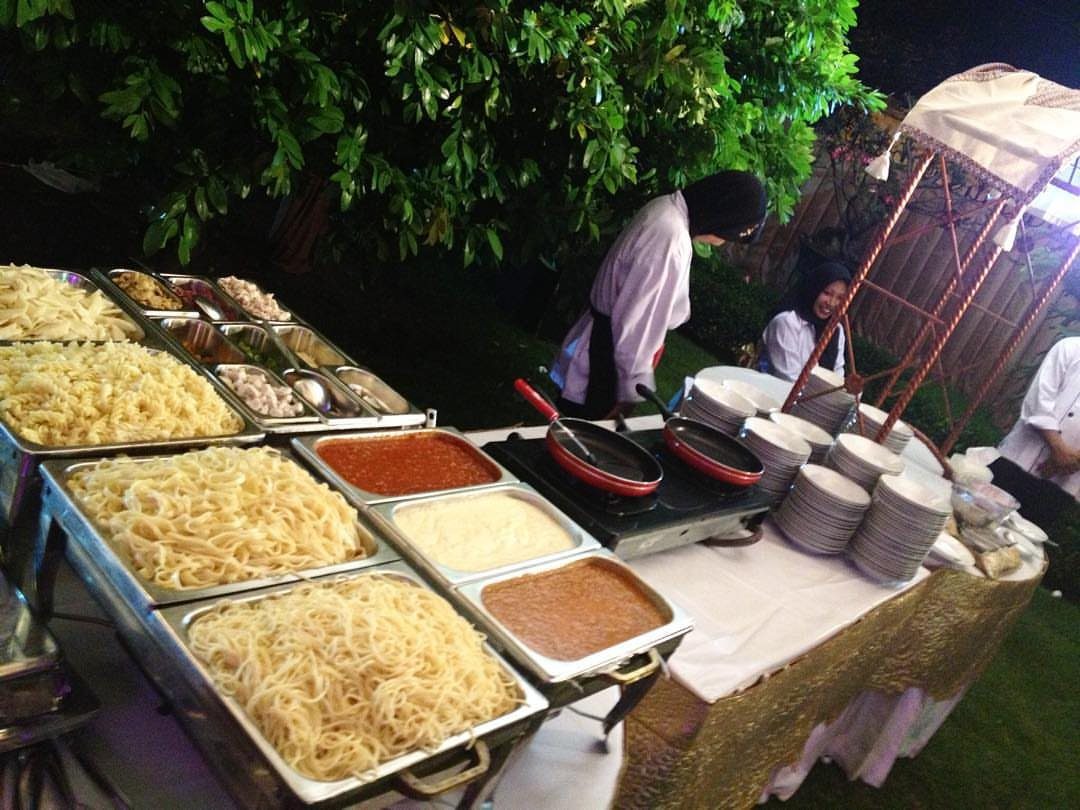
Pasta suits a budget better than most stations, since noodles and sauce are cheap and guests fill their own plates.
Offer 2 shapes and 3 sauces, and make sure one sauce has no meat and one has no dairy, so vegetarian and dairy-free guests aren’t stuck with sides.
Staff behind the table keep the line moving and the portions even. I would pay for that help before paying for extra sauces.
2. Seafood Station
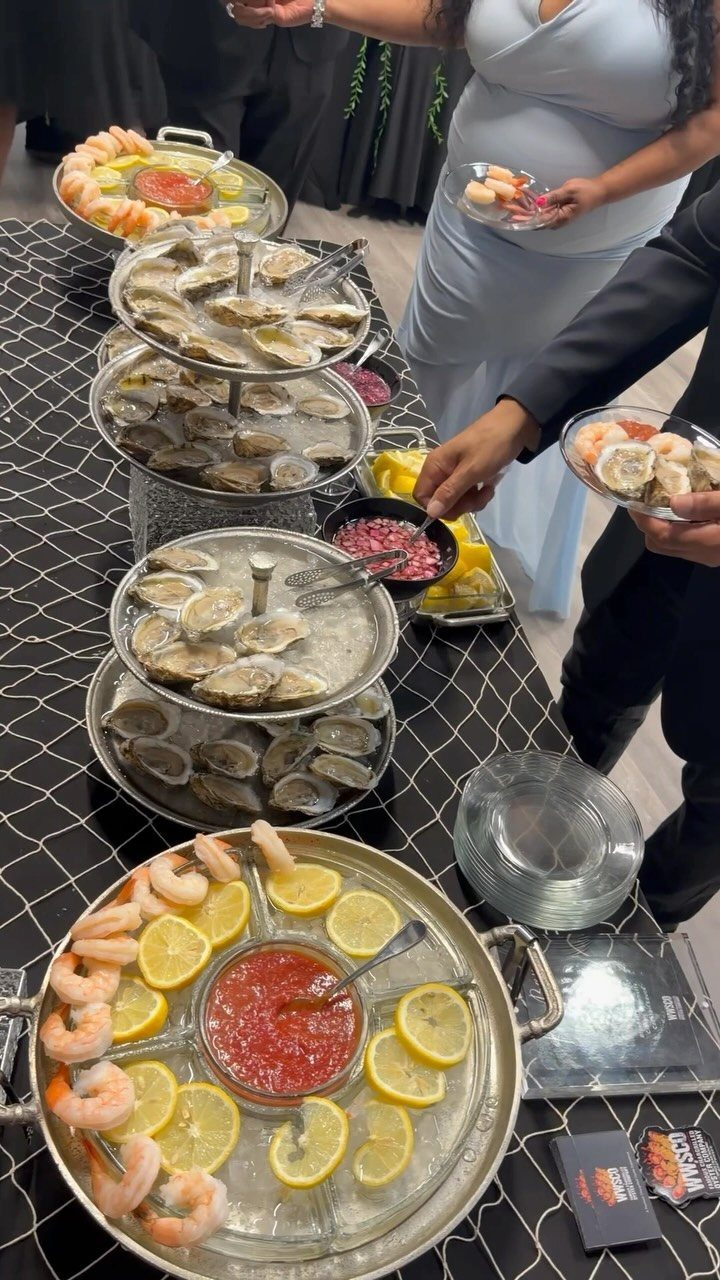
Shrimp and oysters on ice look expensive because they are, so this station is the one I would shrink first on a tight budget. Pick one or two items instead of a full spread.
Seafood rules out guests with shellfish allergies, so plan a second station nearby that they can eat from without worry. Keep the ice fresh and the display staffed, since a seafood table without someone watching it loses its appeal fast.
3. Candy Buffet Station
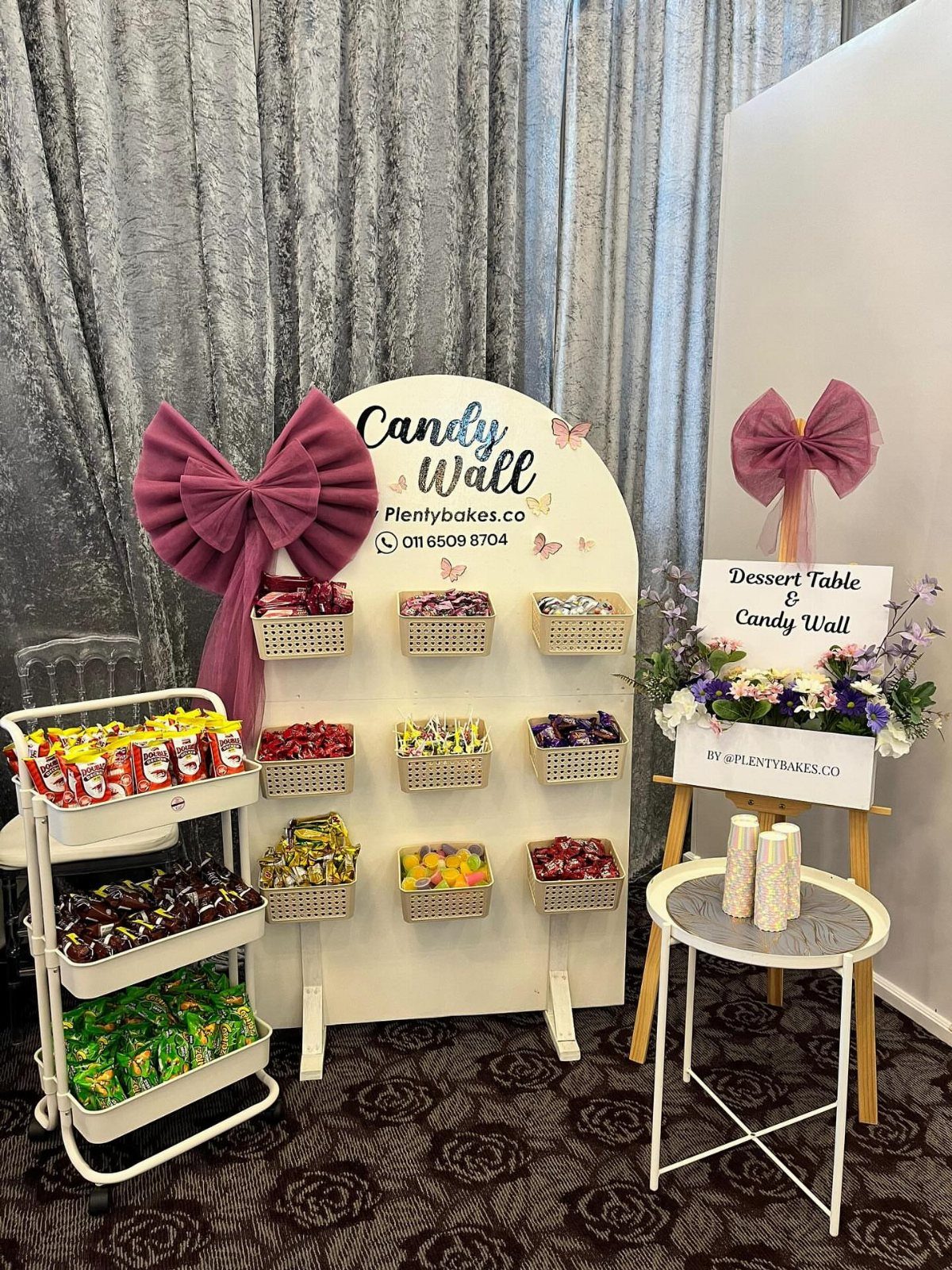
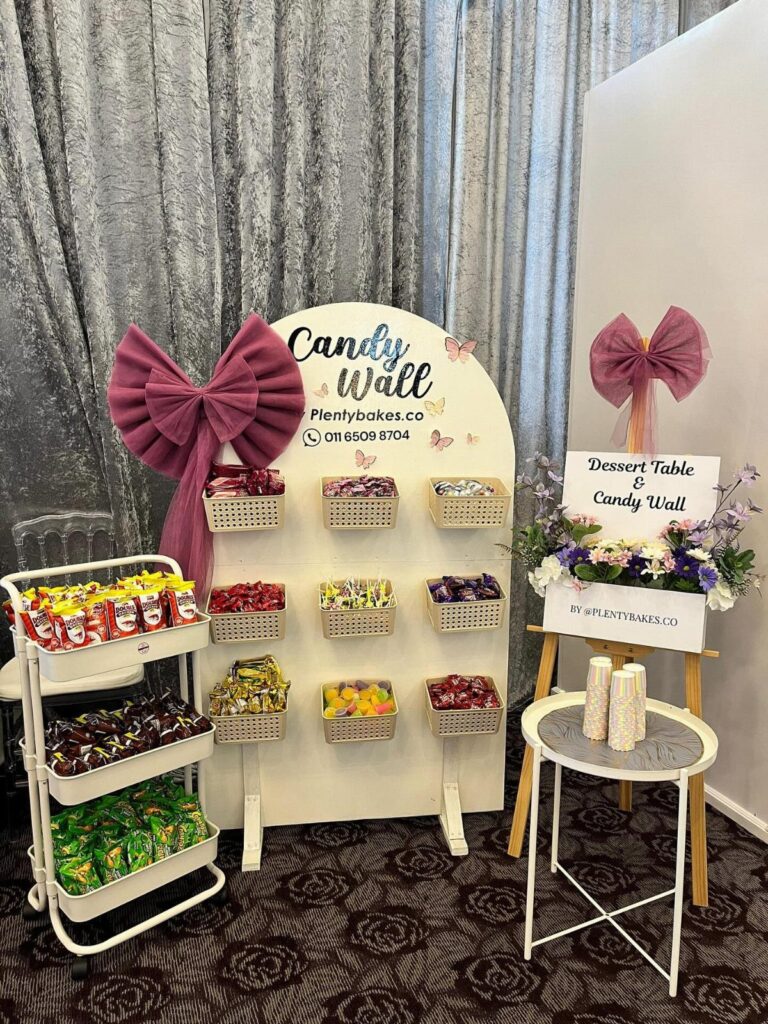
A candy wall is one of the easiest ways to give guests a take-home treat and give your photos a color moment.
Candy is easy to buy in bulk and needs no kitchen or staff. Set out small bags or scoops so guests can fill their own and carry them out as favors.
4. Taco Bar
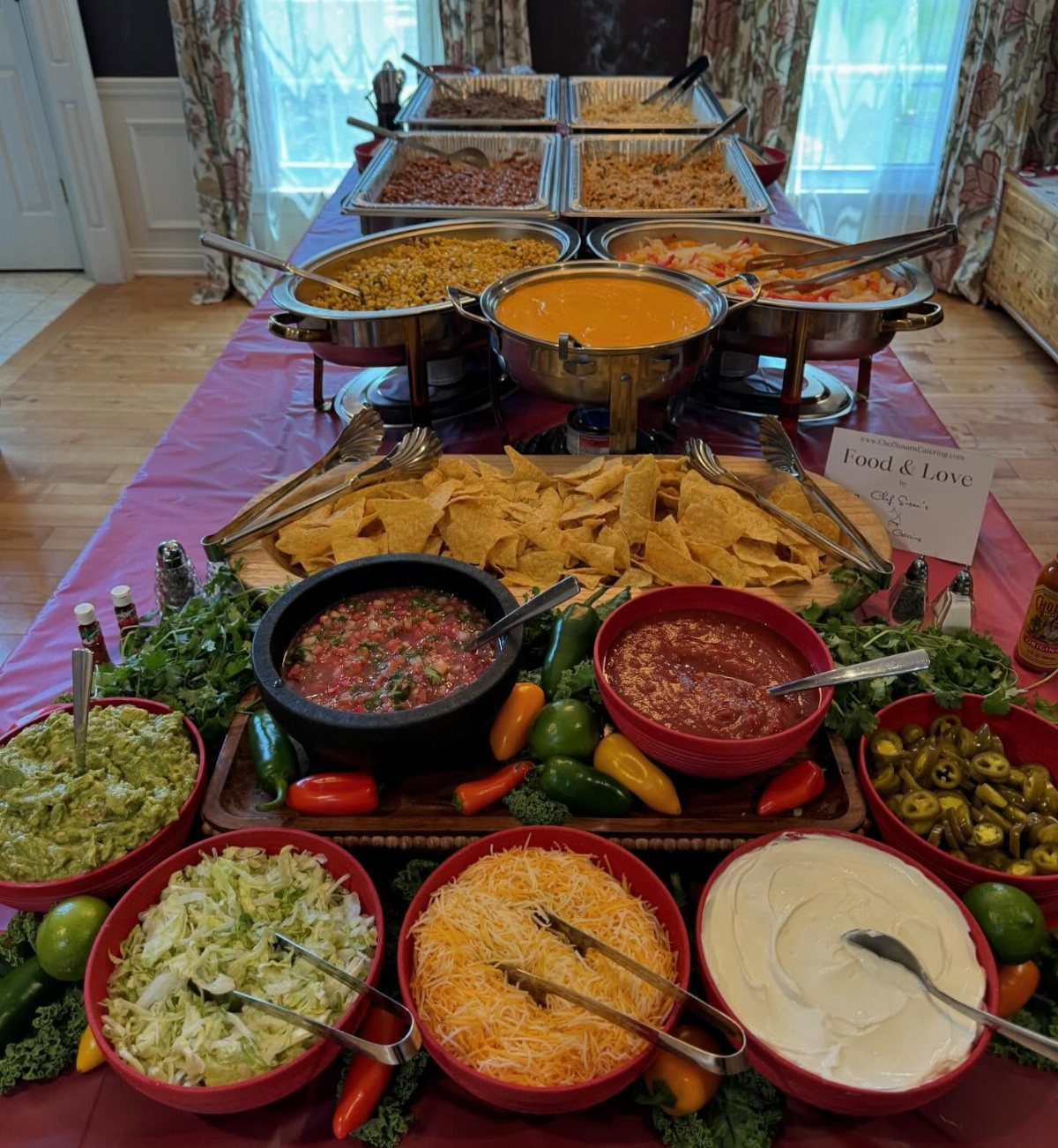
Chafing dishes keep the meat hot while chips, salsa and cheese sit out in bowls, which makes tacos an easy station for a caterer to run.
Guests build their own, so picky eaters and vegetarians are covered if you add a bean or veggie filling.
I would label every topping, and mark which items hold dairy. It costs nothing and saves you from fielding allergy questions all night.
5. Slider Station
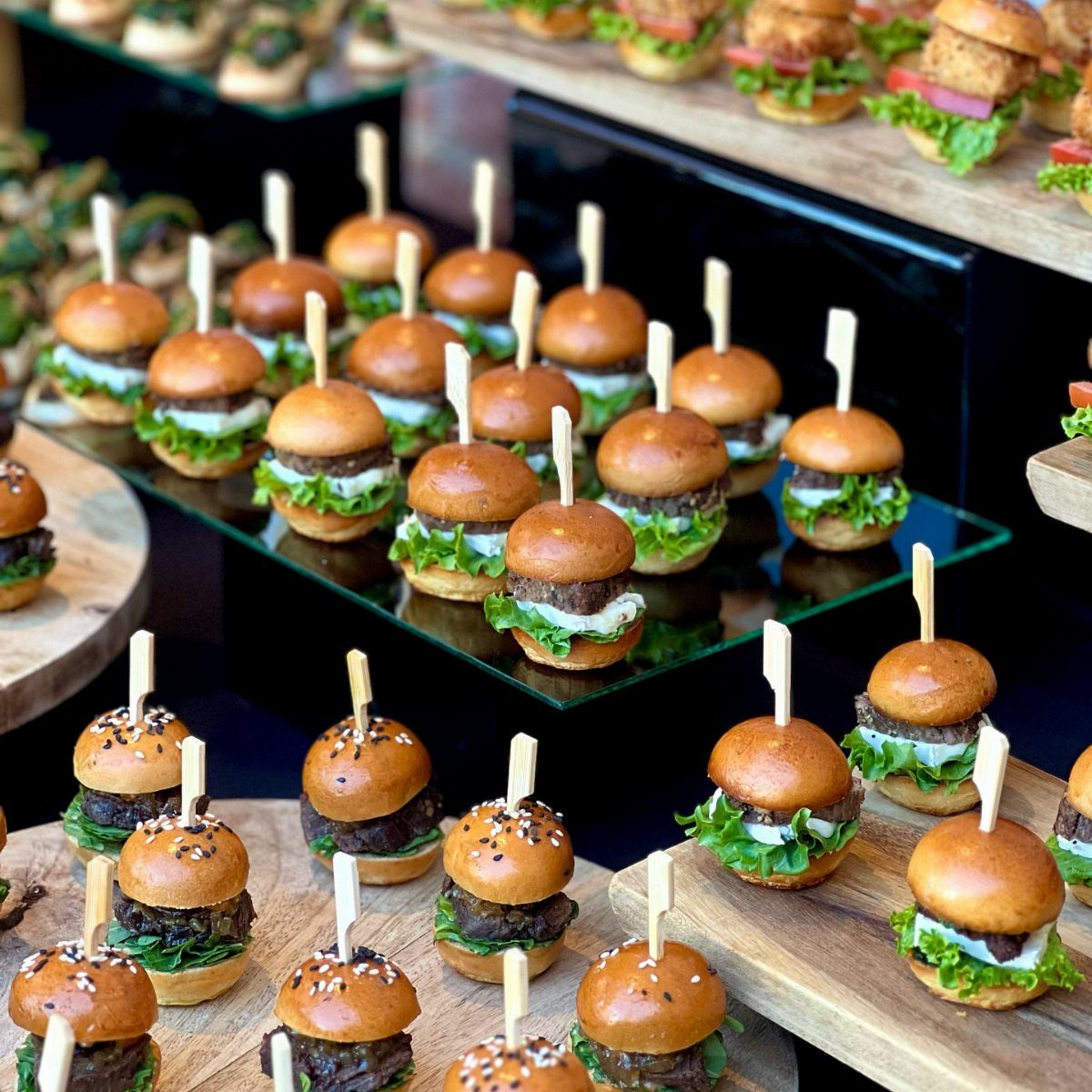
Sliders are burgers scaled down to 2 bites, which suits guests who are eating while they mingle. Mix a few fillings across the platters so no one is stuck with a single option.
Add one vegetarian slider for guests who skip meat. Wooden and glass platters in different heights look better than one long row, and they give you a way to separate the fillings by type.
6. Charcuterie Station
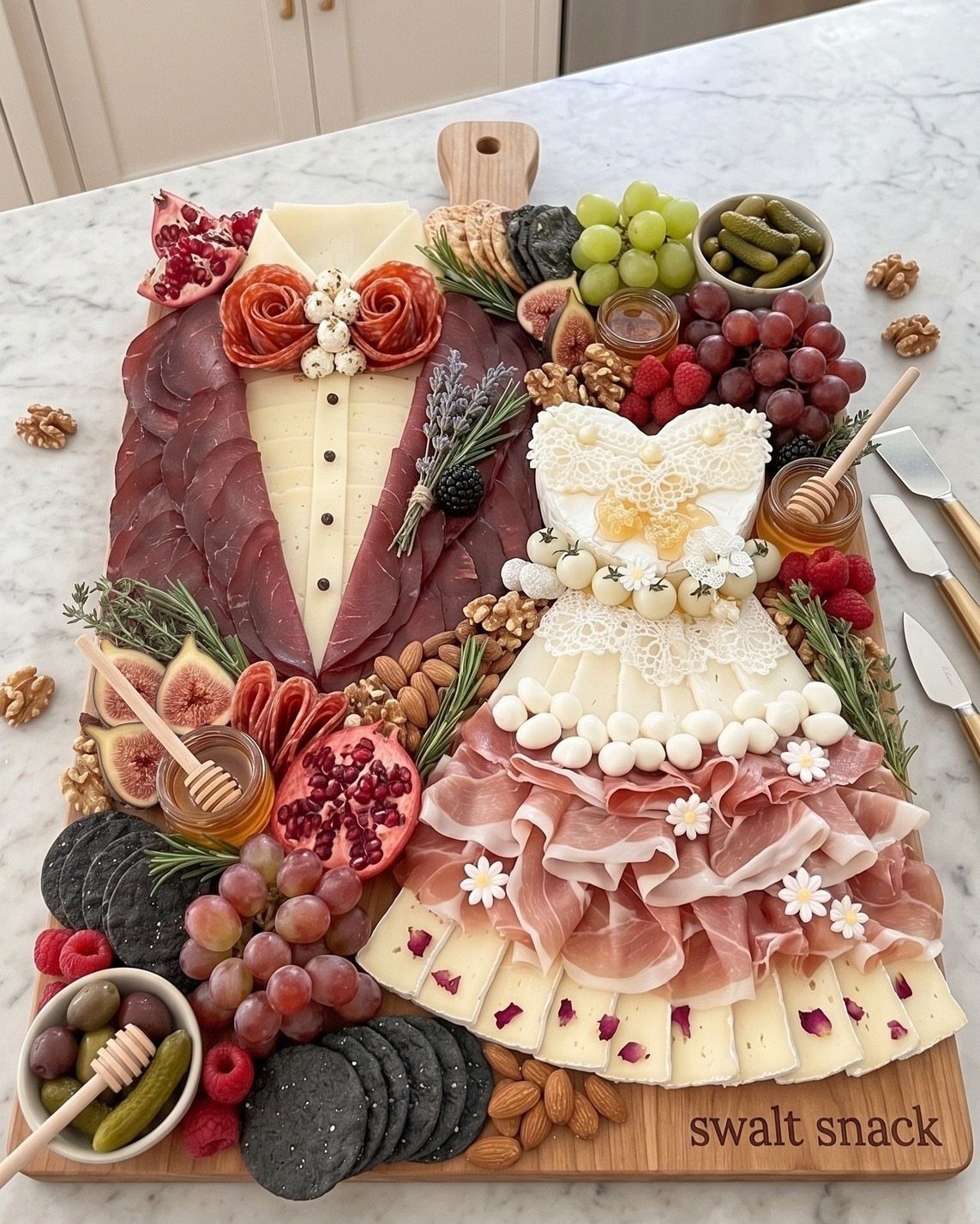
A charcuterie board shaped like a bride and groom is the playful version of this station, and it gets photographed. Meats, cheeses, fruits and nuts give you something for most diets on one board.
Shaping a figure takes more time and more food than a plain spread, so I would make one showpiece board and fill the rest of the table with ordinary ones. Label the nuts clearly for allergy-conscious guests.
7. Build-Your-Own Mac & Cheese Bar
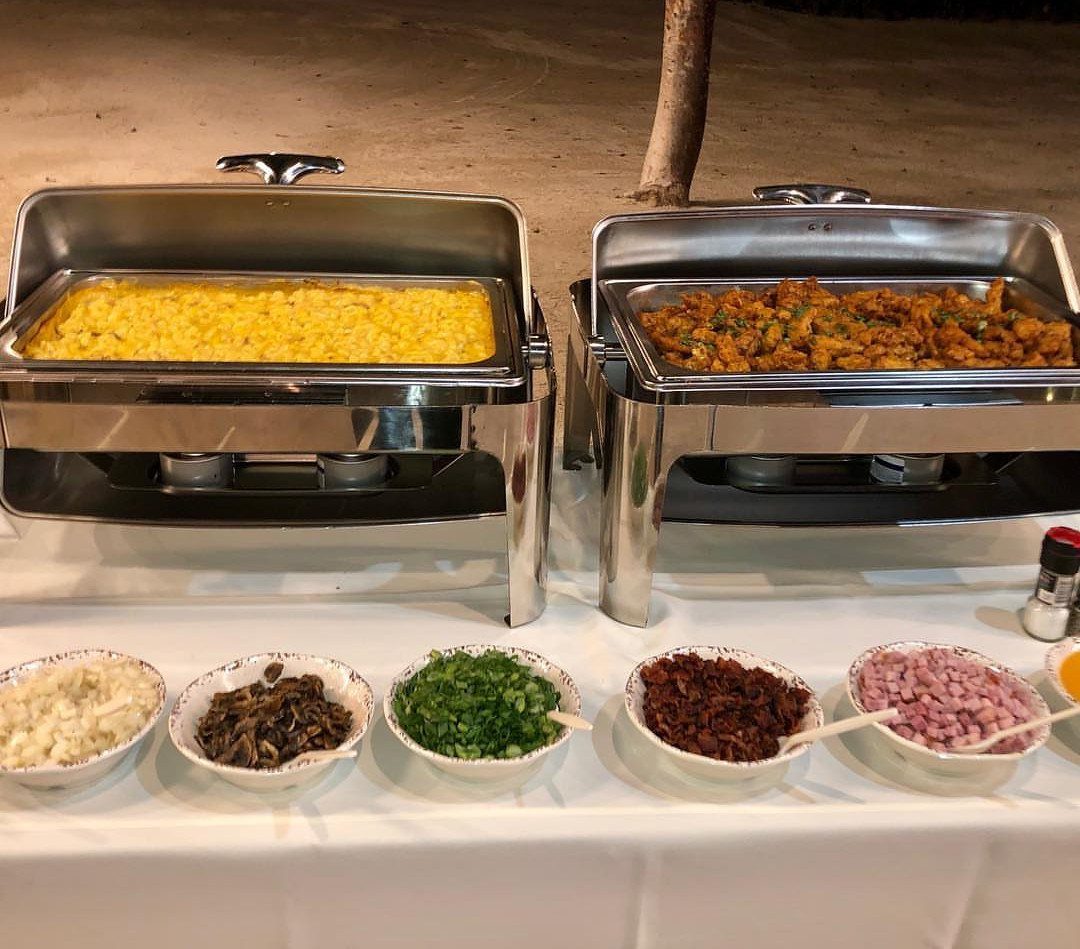
Mac and cheese in chafing dishes stays hot and creamy through a long reception line, and toppings in small bowls let each guest build a plate.
A meat topping next to the pasta, plus bowls of other add-ons, gives people real choices without extra cooking at the event.
Keep one topping meatless and label each bowl, so vegetarians can see what is safe. Cheese sauce means dairy, so I would put a second station nearby for guests who avoid it.
8. Brunch Buffet Station
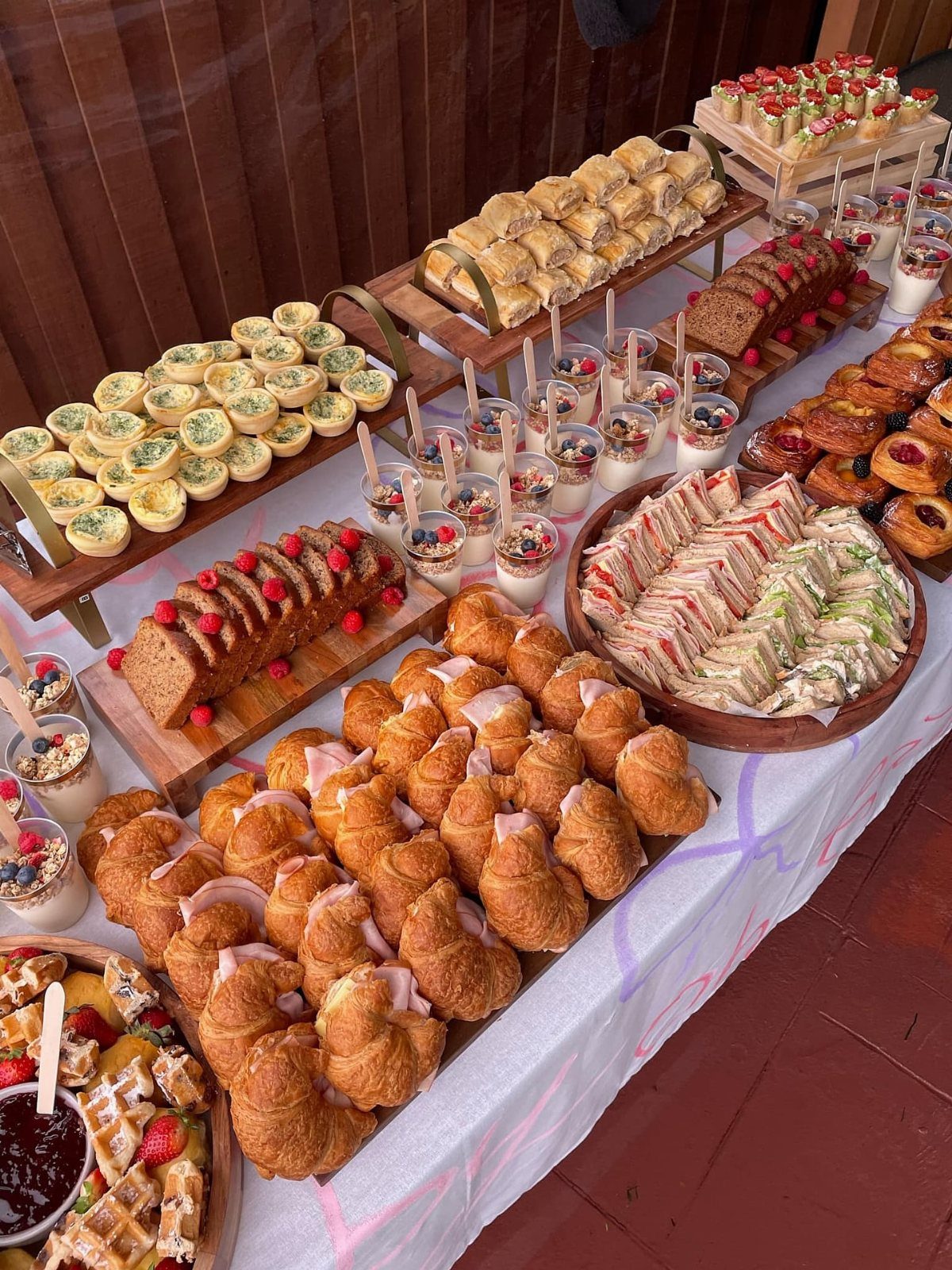
Croissants, mini quiches, yogurt parfaits, sandwiches and waffles are easy to make in batches ahead of time, which keeps brunch friendly to a tight budget. Breakfast food costs less than dinner entrees, and a spread this big feels generous.
Add bagels and fresh fruit so guests who skip eggs or pastry still have a plate. I would put a small card beside each item naming what it holds, since quiches and waffles hide eggs, dairy and wheat.
9. Sushi Station
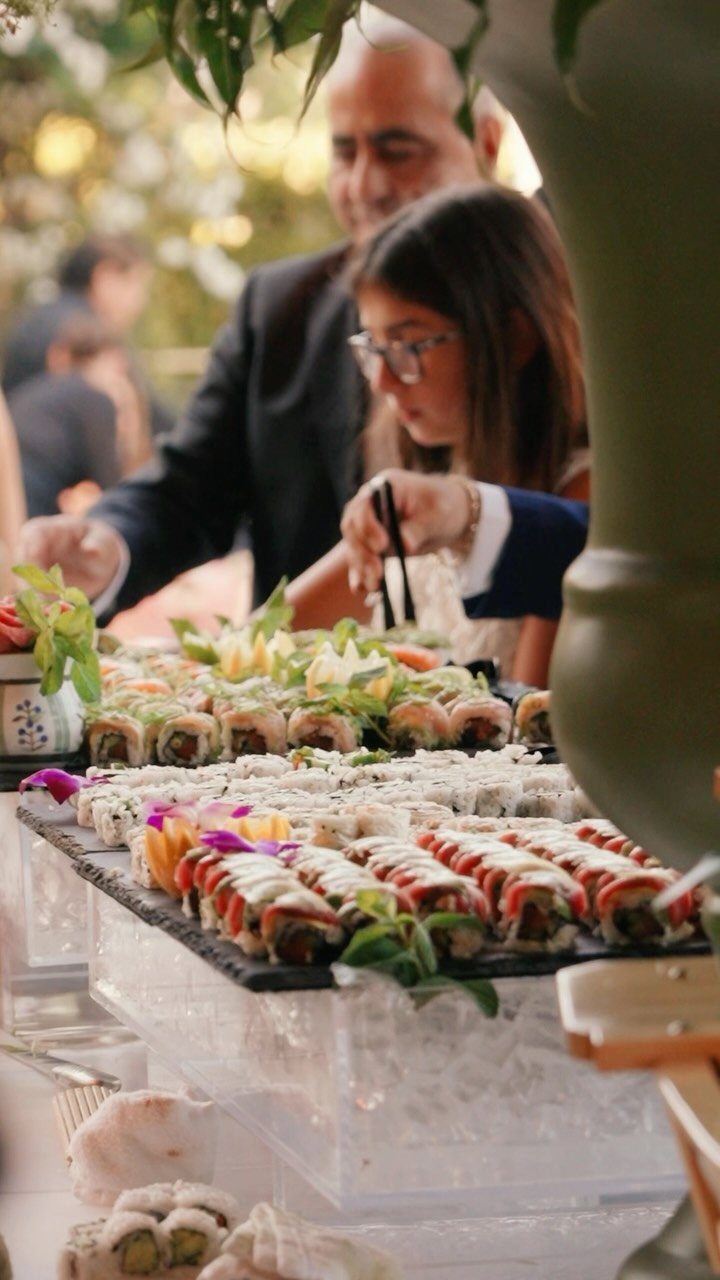
Rolls on tiered acrylic risers turn a sushi table into a display, and the height lets guests see every option without reaching across.
Sushi costs more per bite than most stations, so I would order a few rolls in quantity instead of a wide range.
A cucumber or avocado roll covers the guests who skip fish, and it costs the least of anything on the table.
Raw fish needs to stay cold, so keep platters stocked from a refrigerated supply and refill often, not all at once.
10. Live Cooking Action Station
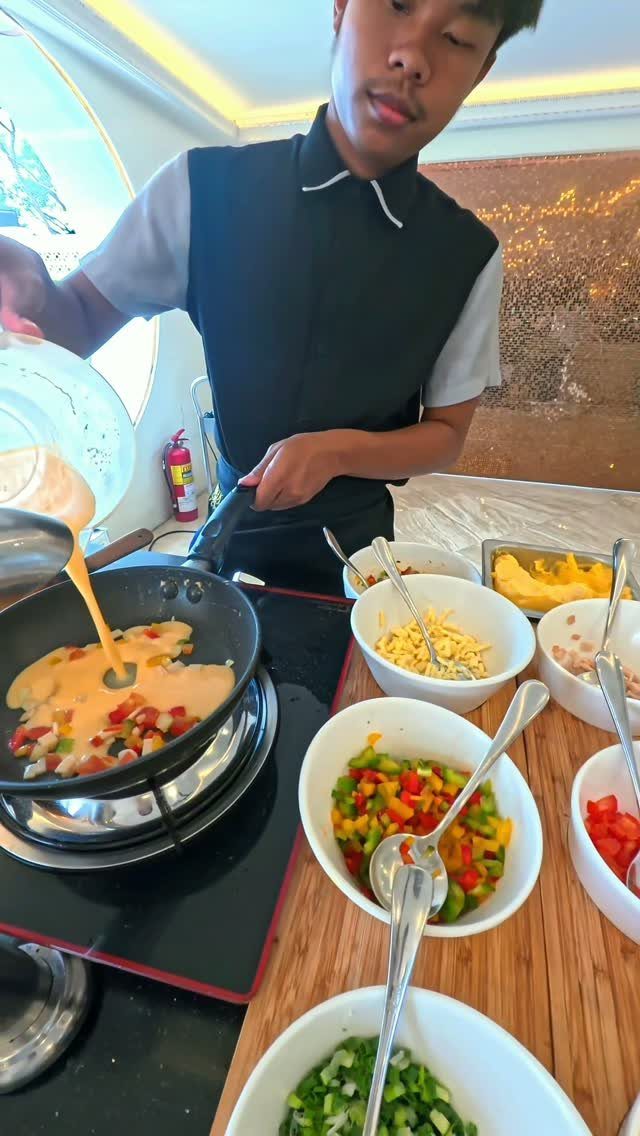
A chef sautéing vegetables and sauce to order gives guests a show along with dinner, and everything arrives hot.
Set out bowls of toppings next to the pan and each guest builds their own plate, which covers picky eaters and dietary needs in a single setup.
A cook per station is the real cost here, and the line moves only as fast as the pan does.
I would keep the menu to one dish with a few add-ins, and have the chef ask about allergies as each guest steps up.
11. Chips and Dip Bar
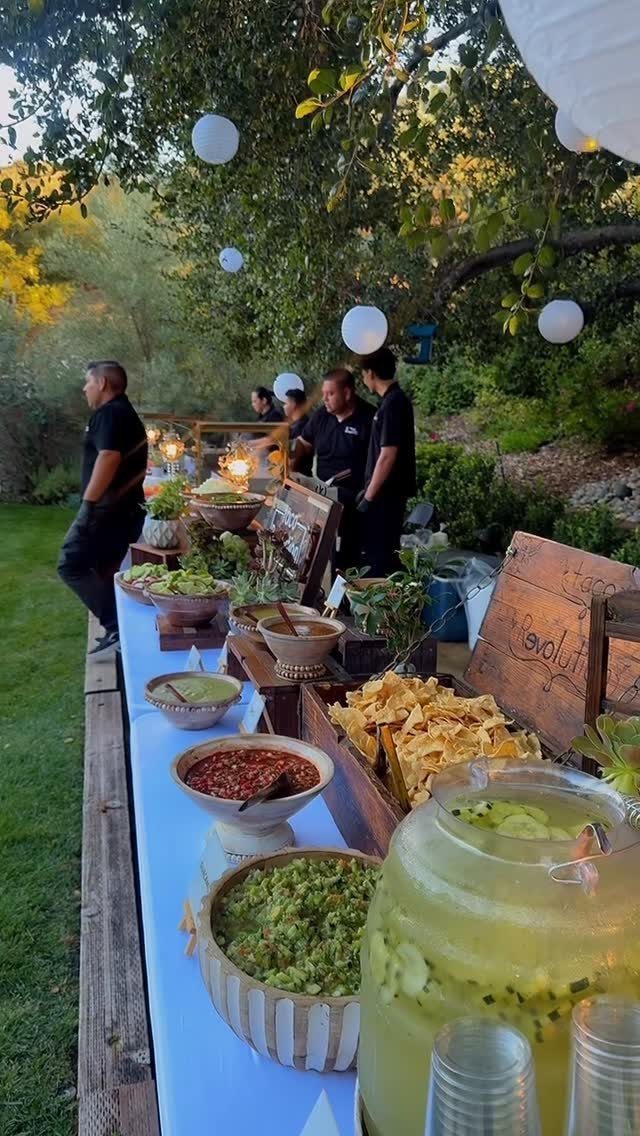
Tortilla chips stacked in wooden crates beside a row of dips gives a casual outdoor reception an easy, rustic table. Chips and dips need no cooking on site, so this is one of the cheapest stations you can book.
Set out several dips, with at least one that is dairy-free and one made without meat, and label each.
Put a staff member behind the table to refill bowls before they run empty, because a half-bare chip station looks picked over fast. I would keep extra chips in reserve for the busiest stretch.
Benefits of Food Stations
Guests also have to get up and walk to the food. That movement does the mingling for you: people chat in line, meet someone new at the same table, and talk about what they just tried.
Presentation is the last piece. A station can follow your wedding theme in its signs, serving pieces and layout, so the food doubles as decor.
Because guests take only what they want, I also expect less food left on plates.
Planning Food Stations
Start with your guest list, not the menu. Look at ages, tastes and any dietary restrictions, then pick stations that cover those needs between them.
Stations fit best when you want a casual or semi-formal feel, an outdoor wedding or a roomy venue, a mixed-age crowd, or food that is part of the entertainment.
A strict formal dinner with a set schedule is a poor match.
Measure the space before you commit. Every station needs room for the table, the line that forms in front of it, and the staff behind it, so a small room limits you to fewer stations.
Ask your caterer to confirm that the venue can fit what you have picked.
Execution Tips
Spread the tables around the room so guests move in different directions. Walk the route yourself on paper: if 2 lines would cross, move a table.
Signs should list ingredients and flag allergens. Staff each station with one person who can serve, answer questions about ingredients, and wipe up spills before the table starts to look picked over.
Small portions, a couple of bites each, let guests taste from 3 or 4 stations without piling a plate until it collapses. I would rather see guests visit four stations lightly than stand in one line for a heavy plate.
Frequently Asked Questions
How do food stations work at a wedding?
Instead of one plated dinner, the reception has several tables, each with its own type of food. Guests walk up and build their own plate, or a chef cooks to order at an action station.
The walking also gets people mingling, and I like that the stations can match your theme in their signs, serving pieces and layout.
What is the cheapest way to feed 100 people at a wedding?
Stations that need no cooking on site or little staffing cost the least.
For feeding 100 people on a tight budget, 3 formats keep costs down: a chips and dips table, a pasta bar built on cheap noodles and sauce, and a brunch spread, which runs below the price of plated dinner entrees.
If I had to choose one, pasta gets my vote, and any spare money should go to a server at the table instead of more sauce options.