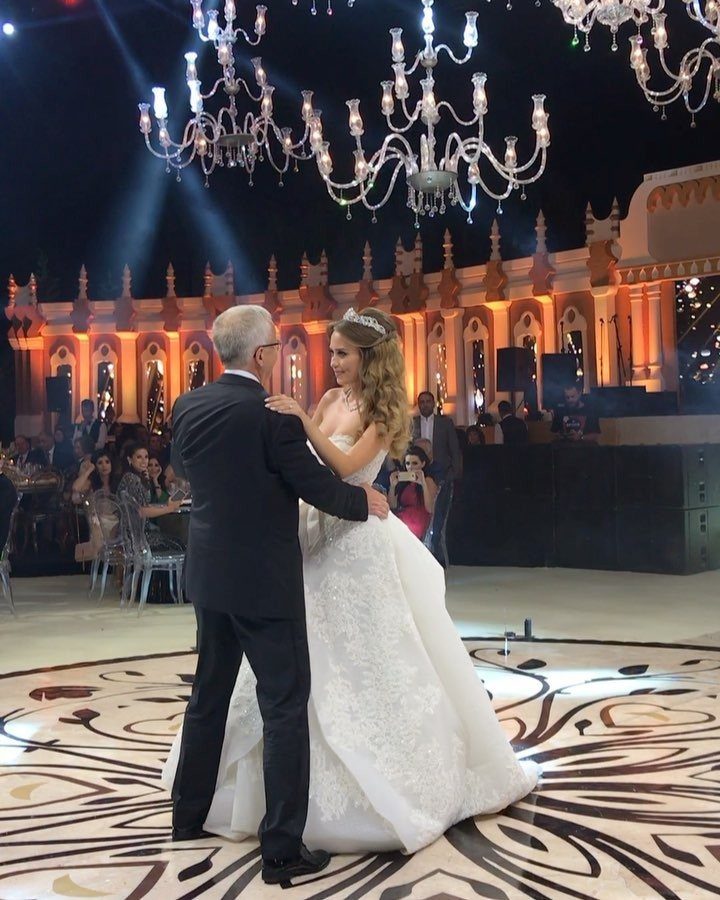
A wedding music list runs from a 3-minute first dance to a bouquet toss that is over in a minute or two, and the moments differ in what the song has to do: some need lyrics that fit a parent, some need to stay under the conversation, some just need a big chorus.
What decides who plays them is your budget. A live band can cost $3,000–$15,000 and a DJ usually lands between $1,500 and $4,000, while a DIY playlist is the cheapest route but leaves nobody to call out the grand entrances.
1. First Dance
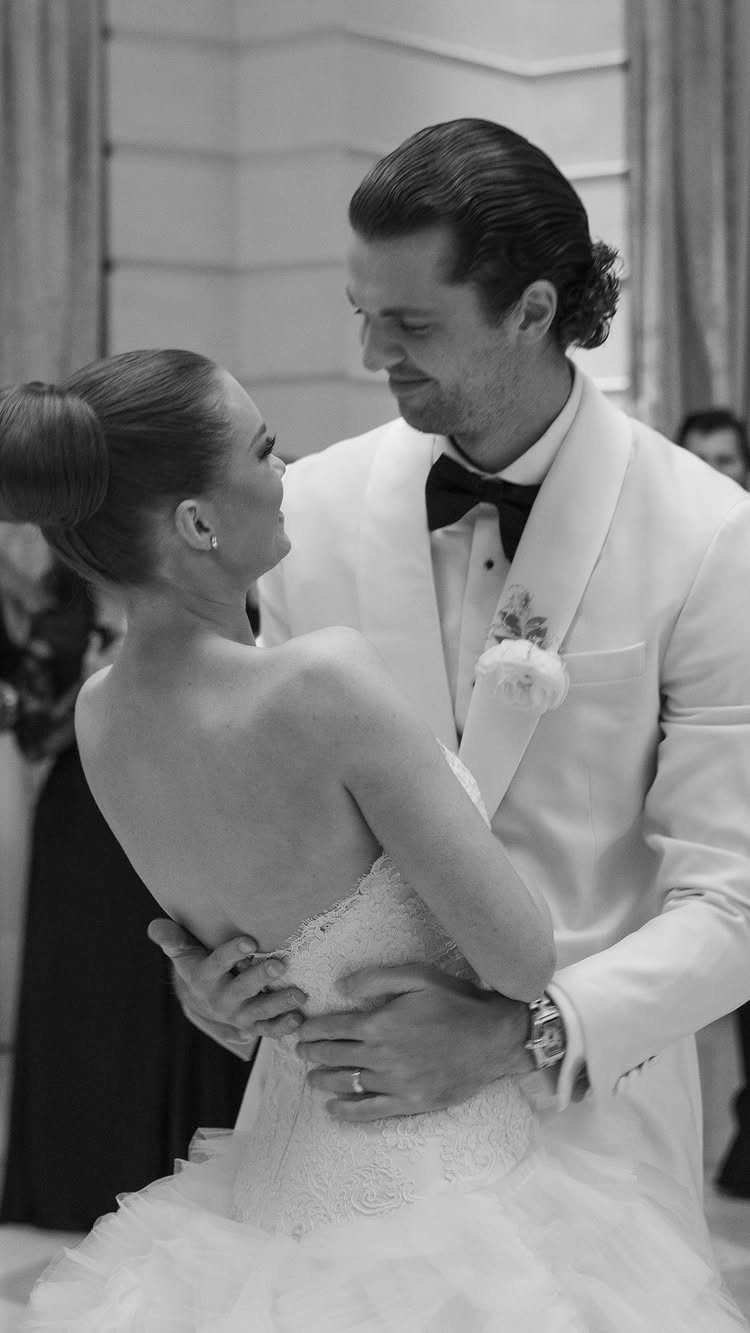
Pick a first dance song you can actually move to for about 3 minutes, because the music has to hold up while every guest watches you.
Slow ballads feel safe, but a song you both already know by heart will relax you more than any "perfect" choice.
Ask the DJ or band for an edited cut if the full track runs long. Standing still and swaying is a fine plan, and a good song carries it.
2. Grand Entrance
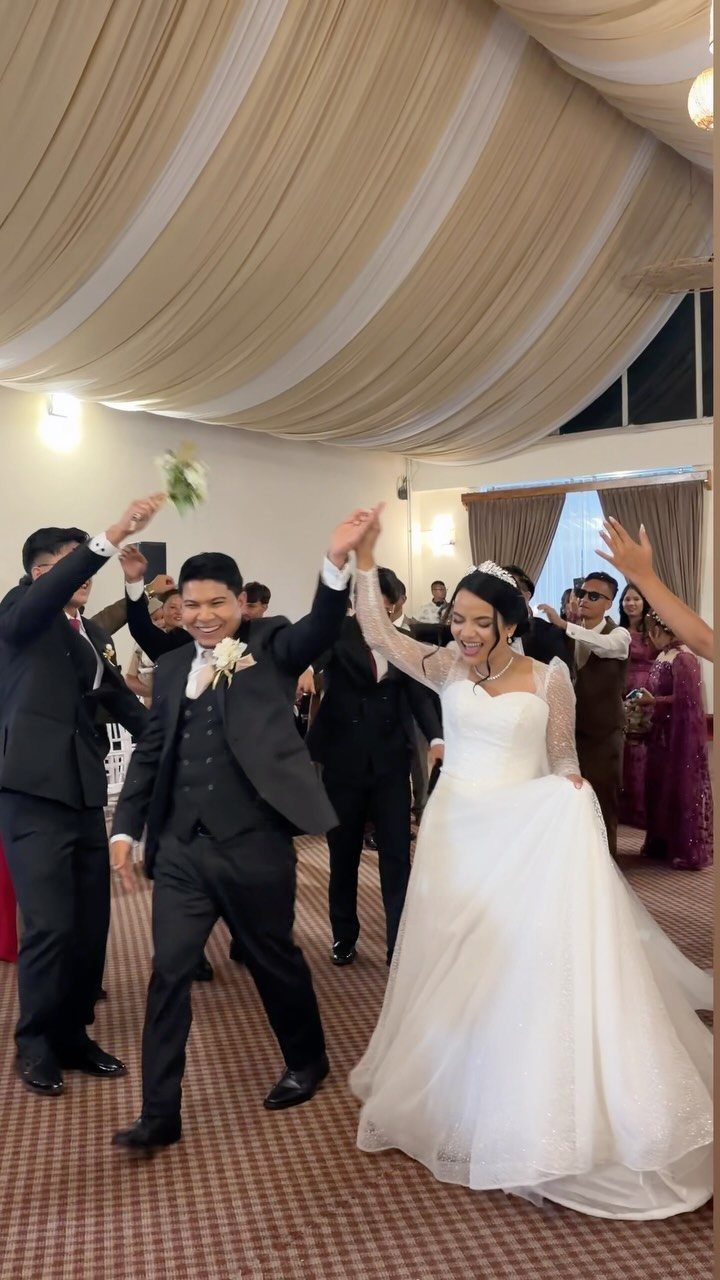
A grand entrance song works best when it makes the room clap along. Choose something upbeat with an obvious opening, so the DJ can start it just as the doors open and the cheering has somewhere to go.
The best part of the song should come early, because people start talking soon after the track begins. If the wedding party enters first, a different song for the two of you gives the moment a second peak.
3. Father Dance
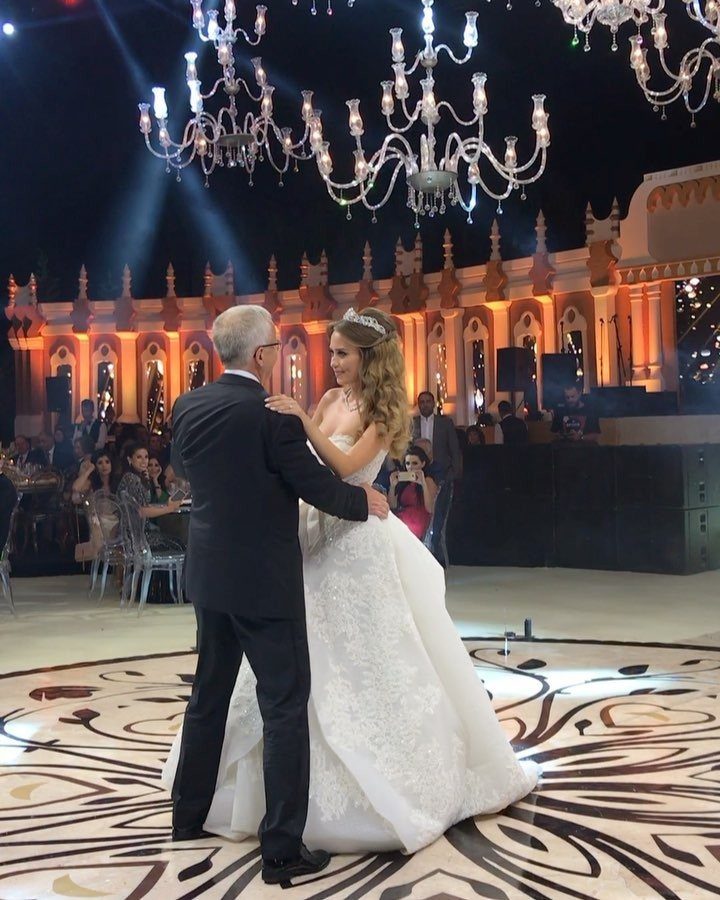
Lyrics decide this one. A song that speaks directly to a parent and child will land harder than a general love song, so read the words all the way through and make sure every line fits the two of you.
I lean toward a slower, warm track that gives you both time to talk or just hold on. If your father is shy about dancing, tell the DJ to fade the song out early and bring the dance floor in.
4. Cocktail Hour Music
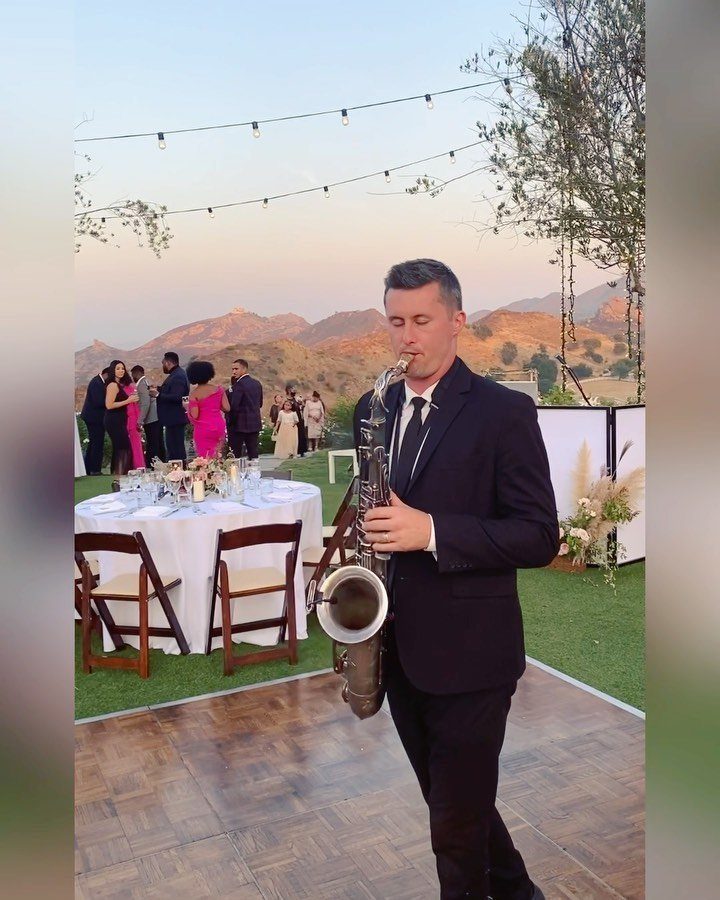
Live instruments make cocktail hour feel like an event rather than a waiting period. A single saxophone player can carry the hour with jazz standards or instrumental covers of songs your guests know.
Keep the volume low enough that people can talk without leaning in. If a live player stretches the budget, a playlist of instrumental versions gives you a similar mood for much less.
5. Dinner Music
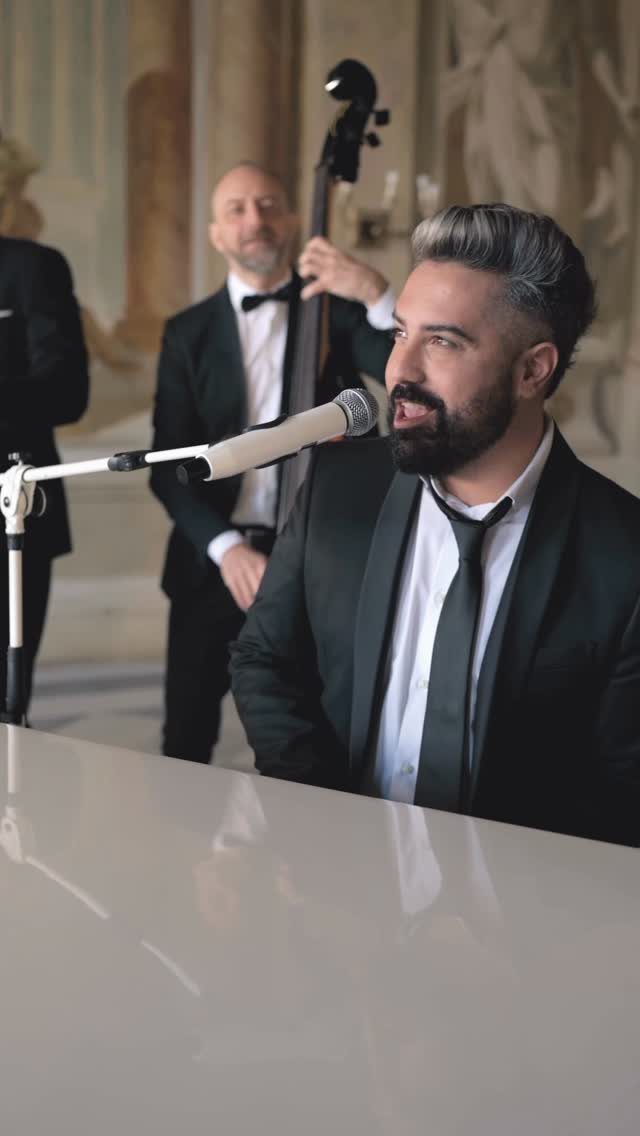
Dinner music should sit under the conversation, not on top of it. A vocalist with a piano and upright bass is a classic pairing, and it works because the sound stays soft and warm.
Pick songs with gentle tempos and familiar melodies. Save the louder, faster tracks for after the plates are cleared, or guests will have to shout across the table.
6. Bouquet Toss and Garter Toss
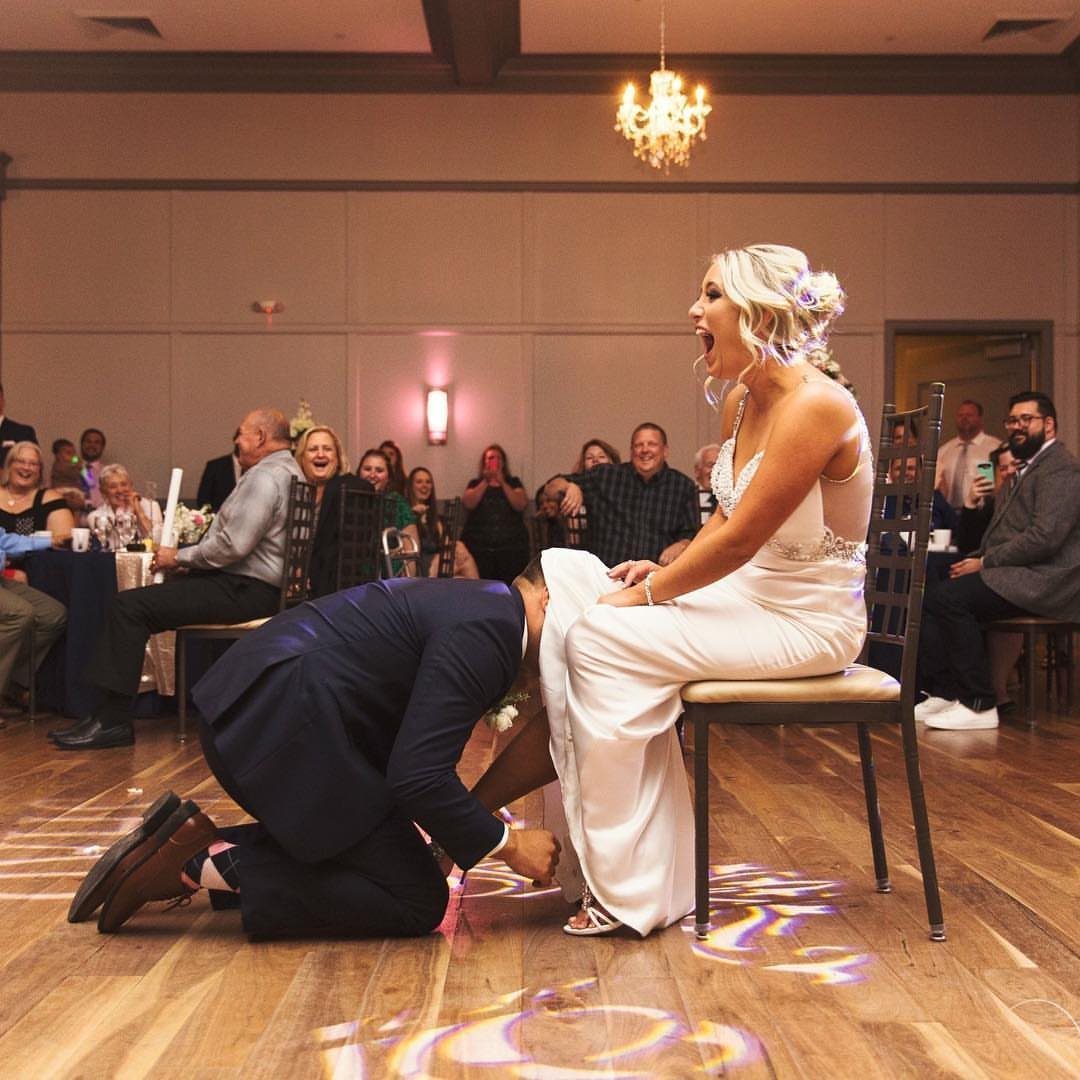
Both tosses are short, silly and loud, so choose songs that match the mood. For the garter, a cheeky, playful track gets laughs; for the bouquet, a bouncy pop anthem with a big chorus works well.
Let the DJ cue the song just before you start, since the whole thing is over in a minute or two. Skip anything slow or sentimental here.
Advice for Choosing Songs
Even a song you adore can be the wrong pick for a particular moment, like a ballad that stalls the dance floor.
Play the whole track, start to finish, before it goes on any list. A great chorus sometimes hides a second verse about a breakup, a bar, or worse.
Read the lyrics on paper, too. Lines you miss while dancing will be heard by your grandmother, your boss, and the officiant.
Then match the song to the moment and the crowd. A track that suits the mood of the event beats one that only suits your taste.
If a lyric makes you wince even once, cut the song. You will have plenty of others to choose from.
Budgeting for Music
Entertainment is one of the larger line items, so the choice between a live band, a DJ, and a Spotify playlist deserves real thought.
Live bands run $3,000-$15,000, and DJs run $1,500-$4,000. A playlist costs the least, but it needs someone to run it, and a playlist has no MC to announce the entrances and toasts.
A band suits larger weddings and upscale venues.
A DJ can handle almost any style of wedding, from a 40-person backyard party to a 250-guest ballroom. A playlist fits intimate or micro-weddings best.
I also like a split plan: hire a live musician for the ceremony, such as a string quartet, solo guitarist, or harpist, and a DJ for the reception.
That way the emotional moments get live warmth, and the dance floor gets a DJ’s skill at keeping people moving.
Working with DJs and Bands
Put your wishes in writing at least 4 weeks before the wedding. Send the DJ or band one document with a time-mapped song list, your genre guidelines, a must-play list, and a never-play list.
Limit the must-play list to 5-10 songs that go on no matter what the crowd is doing. Reserve the never-play list for songs that would really hurt you or someone in your family.
After you send the email, call to make sure it arrived and that they read it the same way you meant it.
You are not responsible for every song. Put your energy into the big moments and the handoffs between them, then trust the pro to read the crowd for the rest of the dancing.



